Planning to buy, build, or sell in Rancho Santa Fe? The Covenant shapes what you can design, how long approvals take, and ultimately how your property lives and holds value. You want privacy, beauty, and a smooth path from offer to move-in, without surprises. In this guide, you will learn what the Covenant is, how the Art Jury review works, realistic timelines and costs, and the steps that help you move forward confidently. Let’s dive in.
The Rancho Santa Fe Covenant explained
The Covenant is a set of recorded CC&Rs and related documents that govern land use, design, and development within the Covenant area of Rancho Santa Fe. These private restrictions “run with the land,” so they apply to successive owners until they are formally amended. The Rancho Santa Fe Association administers the Covenant and enforces it through procedures that can include plan review, fines, stop-work actions, and legal remedies when needed.
The Covenant complements county rules. You still need San Diego County permits where applicable. Association approvals do not replace required county approvals, and the county’s permits do not replace Covenant approvals.
What the Covenant regulates
- Architectural style, massing, and building heights
- Exterior materials and colors
- Fencing, walls, gates, driveways, and entries
- Landscape design and irrigation
- Lighting and exterior fixtures
- Signage and address markers
- Grading and drainage
- Accessory structures like guesthouses and barns
- Certain use restrictions consistent with Covenant documents
What this means for your purchase or sale
- Buyers inherit the restrictions and must secure approval for exterior changes or new structures.
- Sellers should disclose CC&Rs, the Association’s disclosure materials, any recent approvals, and any open Covenant violations.
- Title reports and the Association’s disclosure packet are standard due diligence items and help avoid delays at closing.
How the Art Jury review works
The Rancho Santa Fe Art Jury reviews exterior changes, new construction, significant landscape work, grading, and certain accessory uses. Its job is to confirm that plans align with the community’s design standards and historic character. Art Jury approval is commonly required before you obtain building permits or start work. You will still need to follow county permit processes when they apply.
Step-by-step review timeline
- Preliminary inquiry or pre-application meeting. Optional but helpful to identify constraints and required materials early.
- Formal submission. You provide plans and documents per the Association’s current checklist.
- Completeness check. Staff confirms that the submission includes required materials.
- Review and decision. The Art Jury evaluates the submittal, may request revisions, and issues an approval, conditional approval, or denial.
- Follow-up and sign-off. Approved projects often include conditions. Final inspections or confirmations may be required.
What to include in your submittal
- Site plan with boundaries, easements, setbacks, driveways, and topography
- Floor plans and building elevations
- Roof plans and sections that show heights and massing
- Exterior materials, finishes, and color samples
- Landscape plan with plant palette and irrigation
- Lighting plan with fixture cut sheets
- Grading and drainage plan when applicable
- Photos of the site and adjacent properties
- Specialized reports as needed, such as arborist, geotechnical, biological, or drainage studies
How long approval takes
Timelines vary by scope, complexity, and the completeness of your submittal.
- Small exterior changes, like paint or fencing, often take several weeks to a few months.
- Major remodels or new builds can take multiple review cycles and commonly run several months to a year for Art Jury entitlements. This does not include county permits or construction time.
Factors that extend timelines include incomplete submissions, needed studies, neighbor feedback, significant grading, hillside conditions, variances or deviations, and coordination with government agencies.
Fees, appeals, and enforcement
The Association charges plan review fees and may require deposits or inspection fees. Denials or conditions can be appealed under the procedures in the governing documents. Non-compliance can lead to stop-work orders, fines, required remediation, and in some cases liens.
Design, lot scale, and the equestrian lifestyle
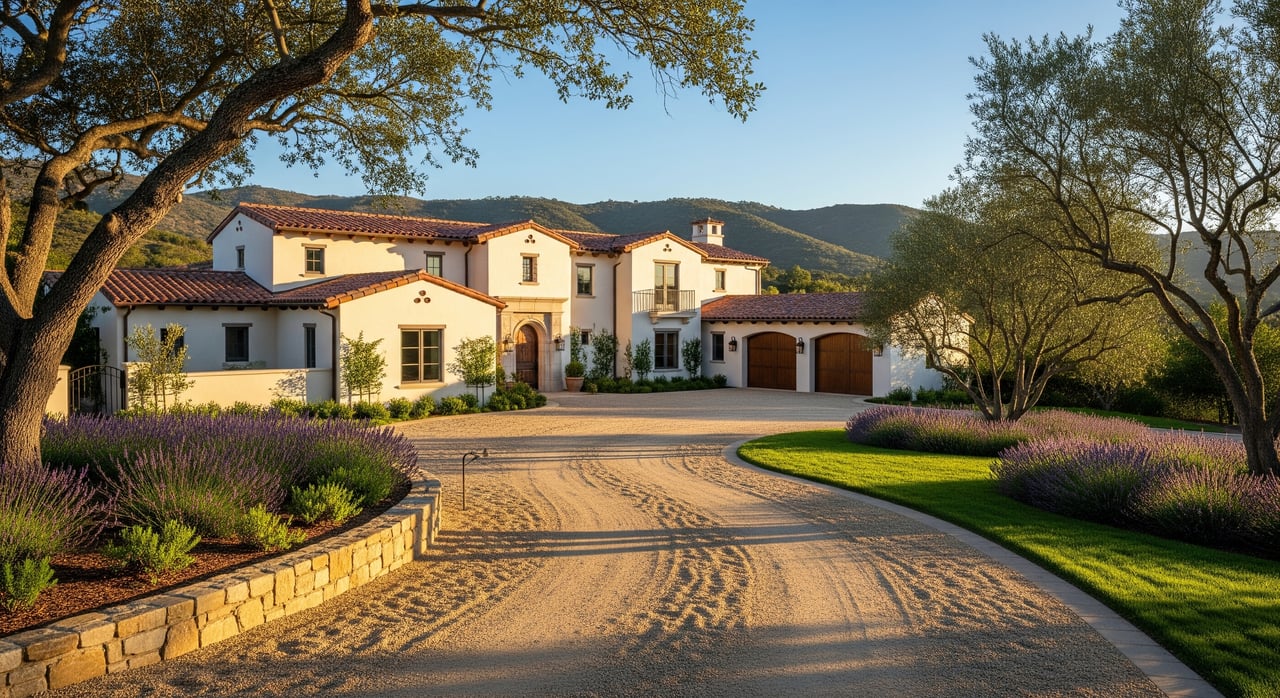
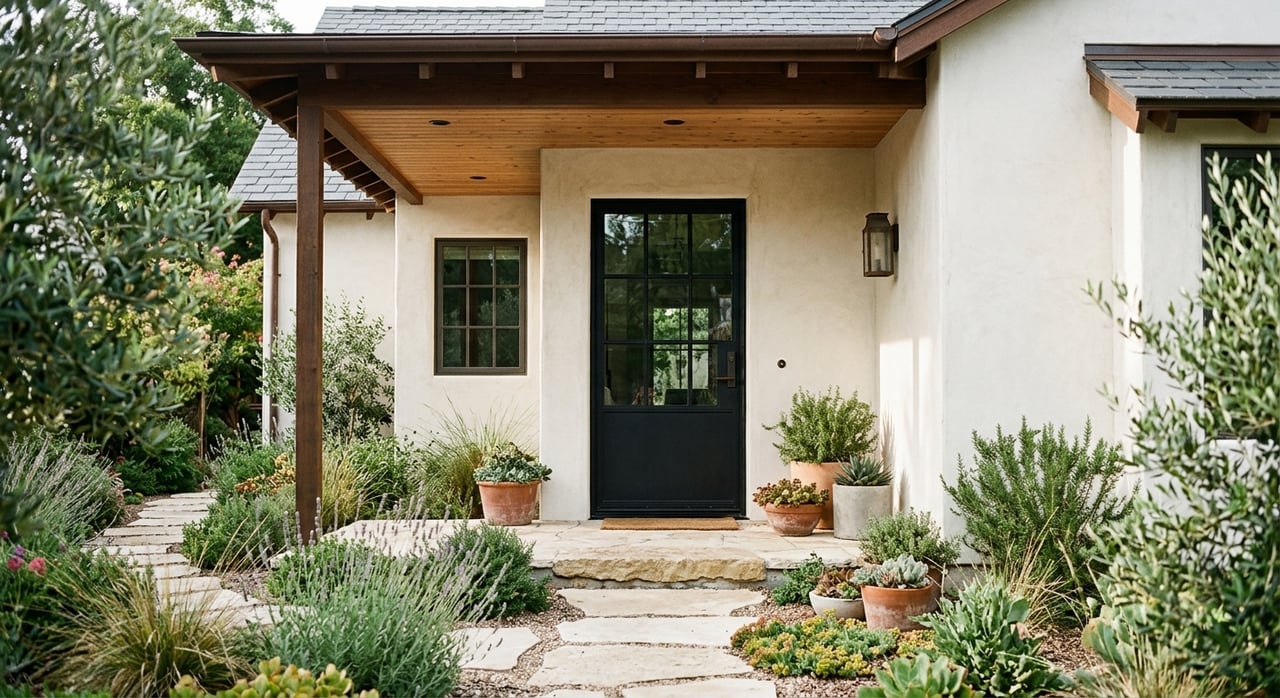
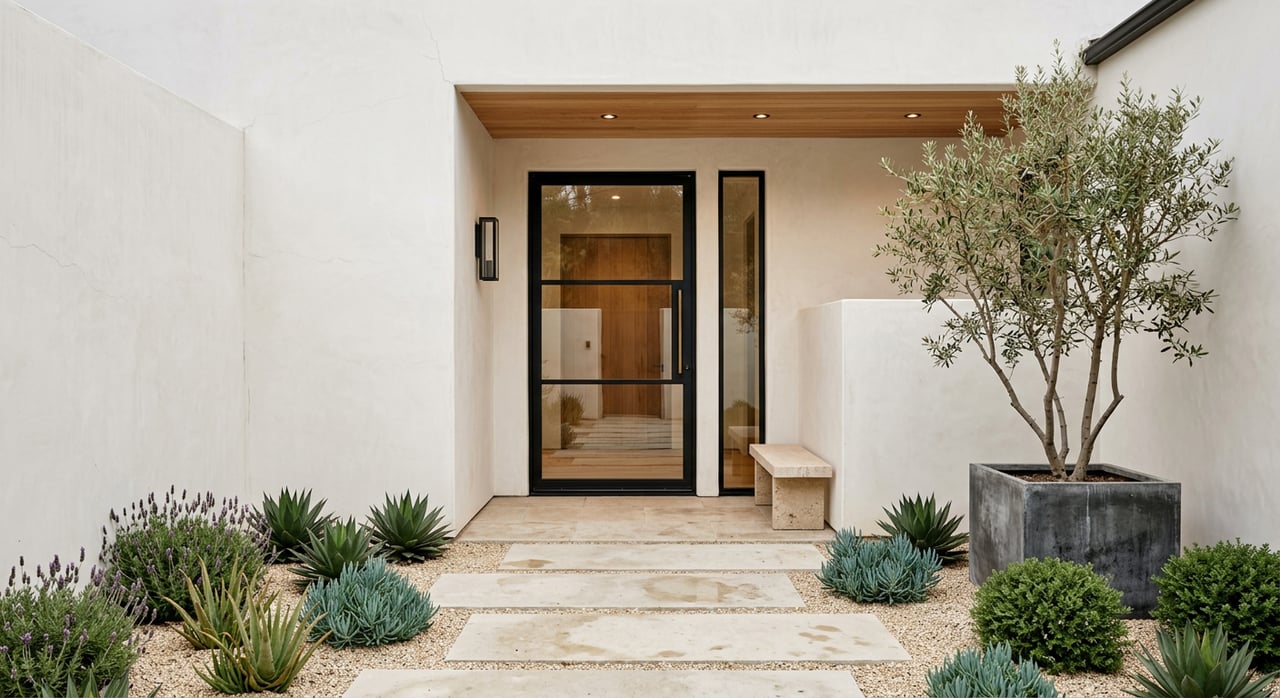
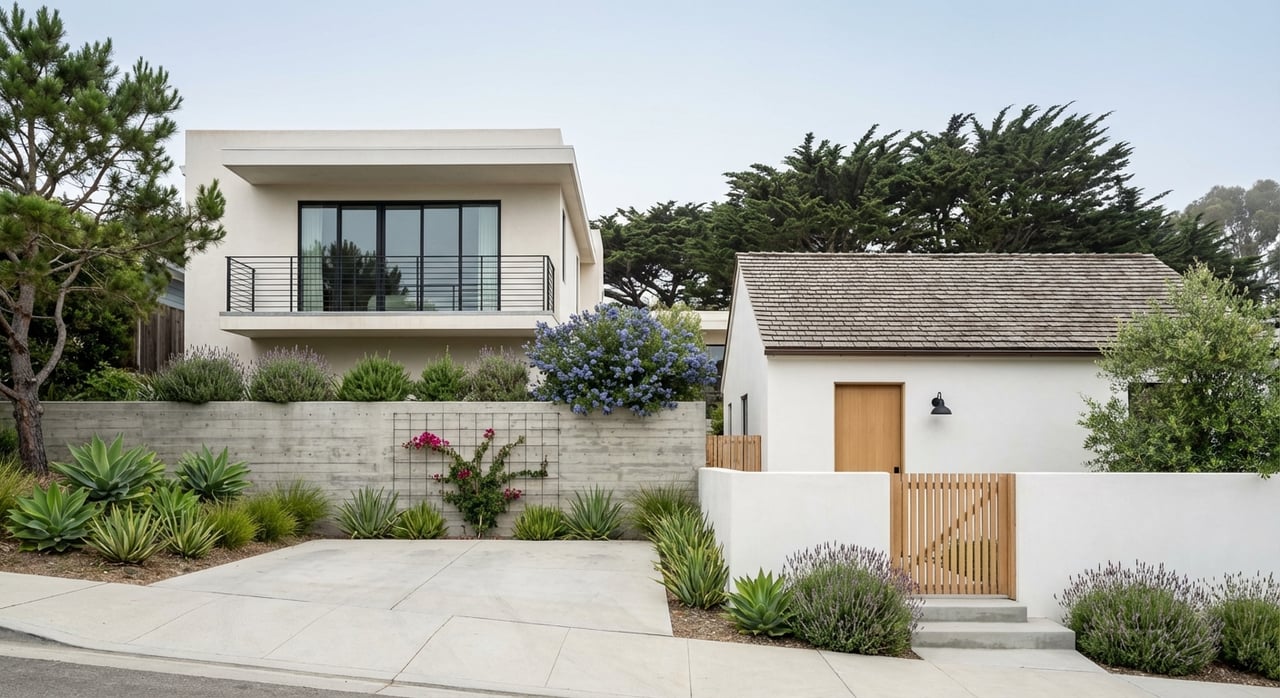
The Covenant preserves a low-density, estate-scale, country-rural aesthetic. Approved projects commonly feature low building profiles, natural materials like stucco and tile roofing, neutral color palettes, courtyards, and landscape that blends with regional vegetation. These guidelines support visual continuity, scenic views, and privacy.
Estate lots and site planning
Many Covenant properties are several acres. Larger lots support privacy and offer room for guesthouses, barns, arenas, gardens, and pools, subject to Art Jury review. With more land comes more emphasis on careful site planning, view preservation, and sensitive grading.
Equestrian amenities and trails
Rancho Santa Fe has a long-standing equestrian culture with private riding trails and bridle paths. The Covenant addresses equestrian structures and uses, and the Art Jury reviews siting and design for compatibility and safety. Proximity to trails and quality equestrian facilities can increase desirability for buyers seeking that lifestyle, but they require thoughtful planning and approvals.
Value implications to consider
Design review helps prevent incongruous development and protects scenic character, which supports stable long-term values. The process can add time and cost, which may deter buyers seeking rapid renovations or dramatic stylistic changes. Many buyers in Rancho Santa Fe are prepared for longer timelines if a remodel or new build is part of their plan.
Practical checklists
Buyer due diligence essentials
- Review the Covenant and CC&Rs, Association bylaws, and current Art Jury procedures.
- Obtain the Association’s disclosure packet and current dues or assessment information.
- Confirm past changes, approvals, and any unpermitted work.
- Verify easements, rights of way, and utilities on the preliminary title report.
- If you plan changes, consult an architect with Rancho Santa Fe experience and request a pre-application meeting early.
- Budget time and funds for design review, specialized studies, and county permits.
Seller checklist before listing
- Provide complete Covenant and Association documents to agents and buyers.
- Assemble prior Art Jury approvals, permits, and certificates of occupancy for work you completed.
- Disclose any open violations or unresolved conditions.
- If marketing a home for remodel potential, consider seeking preliminary Art Jury feedback to reduce buyer uncertainty.
Financing and title reminders
- Lenders and title companies review CC&Rs. Unresolved violations or liens can delay or impair closing.
- Some lenders may request evidence of required association approvals before funding construction loans.
Budget categories to expect
- Art Jury review fees and deposits
- Architecture, engineering, landscape, and consultant fees
- Possible mitigation measures such as tree protection or drainage improvements
- County permit and inspection fees
- Potential remediation if noncompliant work is discovered
Timeline strategies that work
- Hire professionals with Rancho Santa Fe Art Jury experience. Familiarity reduces revisions and helps anticipate concerns.
- Request a pre-application meeting to surface major issues early and align on expectations.
- Prepare a complete, well-organized submission that follows the current checklist.
- Coordinate county pre-planning or parallel applications where feasible, while managing dependencies and sequencing.
Is the Covenant right for you?
If you value privacy, scenic consistency, and an estate lifestyle, the Covenant’s standards are a strong fit. If you plan quick, dramatic exterior changes or want a novel architectural language, the process may feel slow and may lead to revisions. With the right team and a clear plan, you can align your vision with the Covenant and capture long-term value.
Ready to discuss your plans?
Whether you are evaluating lots, planning a remodel, or preparing to sell, you deserve clear guidance on the Covenant and the Art Jury. Connect for a tailored strategy, timelines, and next steps that match your goals. Reach out to Adriana Prieto to start a private, data-informed consultation.
FAQs
Do I need Art Jury approval for exterior changes in Rancho Santa Fe?
- Most exterior alterations, new structures, major landscaping, grading, and changes visible from public or neighboring properties require Art Jury review. Always confirm your scope with the Association.
How long does Art Jury approval take for a new home?
- Timelines vary. Simple applications may take weeks, while major projects often require multiple review cycles and can take months to a year for Art Jury entitlements, separate from county permits and construction.
Does Covenant approval replace county permits in San Diego County?
- No. Covenant approvals and county permits are separate. You must follow both processes when applicable.
Will designing to Covenant standards help resale value?
- Conforming, high-quality design supports neighborhood character and can help protect values. Buyers in Rancho Santa Fe often prefer context-appropriate architecture and landscaping.
Who enforces the Rancho Santa Fe Covenant if there is a violation?
- The Rancho Santa Fe Association and entities named in the governing documents enforce the Covenant. Remedies can include administrative actions, fines, and legal processes under the documents.