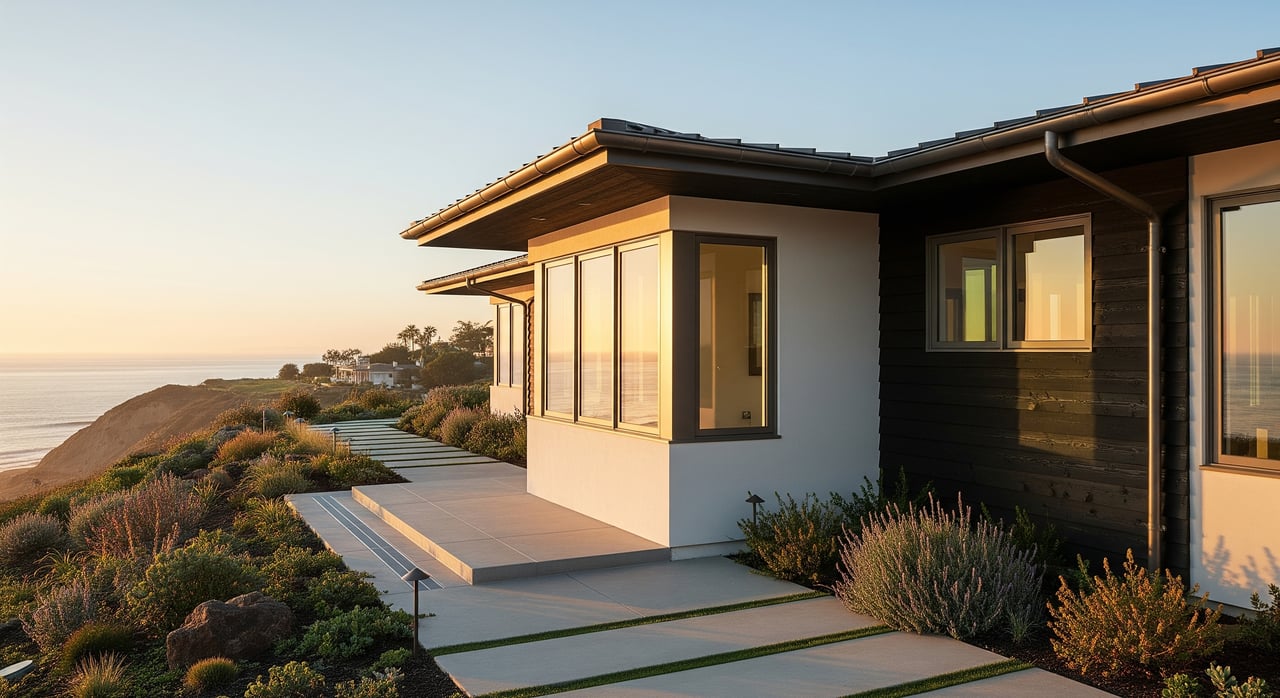
Moisture Control For Beach‑Proximate Del Mar Homes
November 6, 2025
November 6, 2025
Salt air, morning marine layers, and coastal breezes are part of what makes Del Mar living special. They also introduce moisture and chloride salt that can quietly damage finishes, corrode metals, and invite mold if you do not plan for them. If you want a comfortable home that ages gracefully, you need a moisture strategy tailored to the beach. In this guide, you will learn practical steps for drainage, ventilation, materials, and maintenance that fit Del Mar’s coastal conditions. Let’s dive in.
Homes close to the beach or on windward slopes see frequent fog and salt spray. Chloride deposits accelerate corrosion on ferrous metals and can penetrate concrete, leading to rebar corrosion and spalling over time. Salt crystals also attract moisture and, with enough humidity, can support biological growth on surfaces. Exposure varies by location, so oceanfront and bluff properties need more robust materials and more frequent maintenance than sheltered inland sites.
Start with the roof. Use continuous flashing and drip edges at all transitions to shed water cleanly. Keep gutters and downspouts clear, and discharge water away from the foundation so it does not pond near slab edges. Check roof-to-wall transitions, parapets, and penetrations for complete, sealed flashing.
Grade the soil to slope away from the structure. A typical best practice is at least a 5 percent slope for the first 6 to 10 feet, which is roughly a 6-inch drop over 10 feet. Use perimeter or foundation drains as needed and direct downspout water to safe dispersion zones. If you are near a bluff or planning grading, verify City of Del Mar and California Coastal Commission requirements before work begins.
Pair a continuous water-resistive barrier with a drained and vented cavity. A small ventilation and drainage gap, commonly 3/8 to 3/4 inch or per product guidance, lets incidental water exit and walls dry quickly. Include sloped sill pans and back-dams at windows and doors, and flash every penetration and ledger. Avoid wall assemblies that trap moisture; in this mild marine climate it is better to let walls dry to the exterior.
For slab-on-grade, install a capillary break and a continuous vapor retarder below the slab. While 6 mil polyethylene is common, many homes near the beach benefit from thicker 10 to 15 mil engineered barriers. Test slab moisture before adding sensitive floor coverings using ASTM F2170 or ASTM F1869 to prevent adhesive failures and mold under finishes.
Keep indoor relative humidity generally below 50 percent and aim for 30 to 45 percent when you can do so comfortably. This range limits mold and reduces condensation risk. Size your mechanical ventilation to meet ASHRAE 62.2. Balanced systems with heat or energy recovery provide steady fresh air while helping manage humidity in Del Mar’s mild climate.
Whole-house dehumidifiers integrated with your air handler deliver consistent control and easy condensate management. Portable units work for smaller problem areas such as bathrooms, closets, or laundry rooms, but they need manual emptying or a pump. Set dehumidifiers in the 40 to 50 percent RH range and have a qualified HVAC contractor size whole-house equipment based on your home’s envelope, occupancy, and moisture loads.
Conditioned or encapsulated crawlspaces typically perform better than vented crawlspaces in coastal conditions. Use a continuous vapor barrier over the soil, sealed perimeter insulation, and provide mechanical conditioning or ventilation. This approach reduces moisture and salt intrusion and keeps the subfloor and framing drier.
Fiber cement, well-detailed stucco with a proper WRB and drainage, cementitious panels, and carefully detailed vertical siding with a rainscreen all perform well near the ocean. Wood cladding can be used, but it needs diligent finishing and more frequent recoating. High-quality acrylic or elastomeric coatings help, but they do not replace correct flashing and drainage.
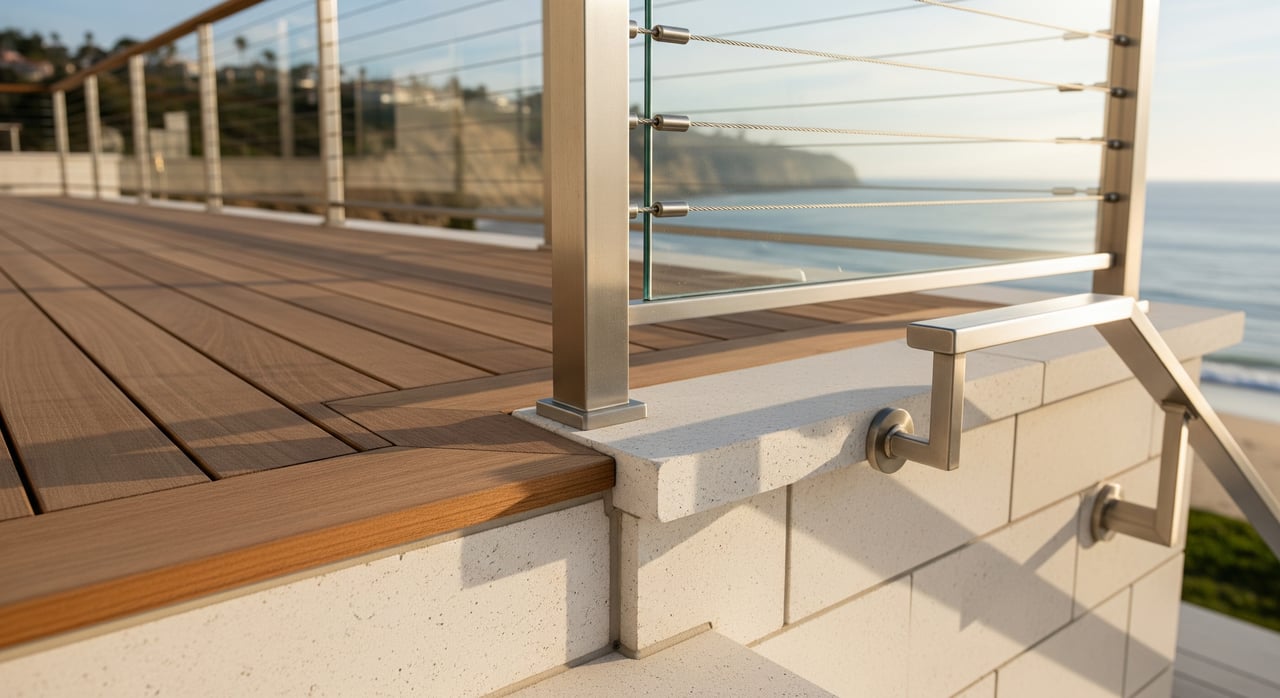
Use corrosion-resistant fasteners and hardware. Stainless steel 316 is a strong choice for near-shore and exposed locations; stainless 304 may be acceptable in more sheltered sites. Hot-dip galvanized connectors can be acceptable inland, but stainless or specially coated products are preferred in salt-prone zones. For windows and doors, specify corrosion-resistant frames and stainless hardware, plus thermal breaks and low‑E glazing to reduce condensation risks.
Chloride salts can penetrate concrete and attack rebar. Specify low-permeability mixes with adequate cover over reinforcing steel and consider corrosion-inhibiting admixtures or epoxy-coated or stainless rebar for highly exposed locations. Combine these measures with excellent surface drainage and under-slab vapor control to slow chloride ingress.
Locate outdoor condensers and heat pumps away from direct spray when possible, and elevate equipment slightly to reduce splash exposure. Choose coastal protection options for coils and housings, and keep filters clean to maintain airflow. Route condensate to daylight or approved sanitary drainage and avoid discharging water onto grade near the foundation.
A thoughtful maintenance routine keeps salt in check and extends the life of your finishes and equipment. Use this simple schedule and adjust frequency based on exposure.
For projects near bluffs or involving drainage changes, confirm City of Del Mar and Coastal Commission regulations before you start. If you plan major grading or slab work, a site-specific geotechnical report is smart. Hire contractors with proven coastal experience and references, and lean on an envelope specialist or architect for details like rainscreens and flashing. An HVAC professional familiar with whole-house dehumidification and coastal equipment options will help you size and select the right systems.
The right combination of drainage, breathable assemblies, humidity control, and corrosion-resistant materials protects comfort and long-term value in Del Mar’s coastal environment. With a few smart upgrades and a consistent maintenance plan, you can enjoy ocean living without the hidden costs of moisture and salt damage. If you would like a tailored property plan or trusted referrals for coastal-savvy contractors, reach out to schedule a conversation.
Ready to talk through your home’s exposure, options, and timing? Schedule a Free Consultation with Unknown Company.
Stay up to date on the latest real estate trends.





Adriana combines global perspective with local market expertise to deliver exceptional results. Contact her today to discuss your goals and start your real estate journey with confidence.