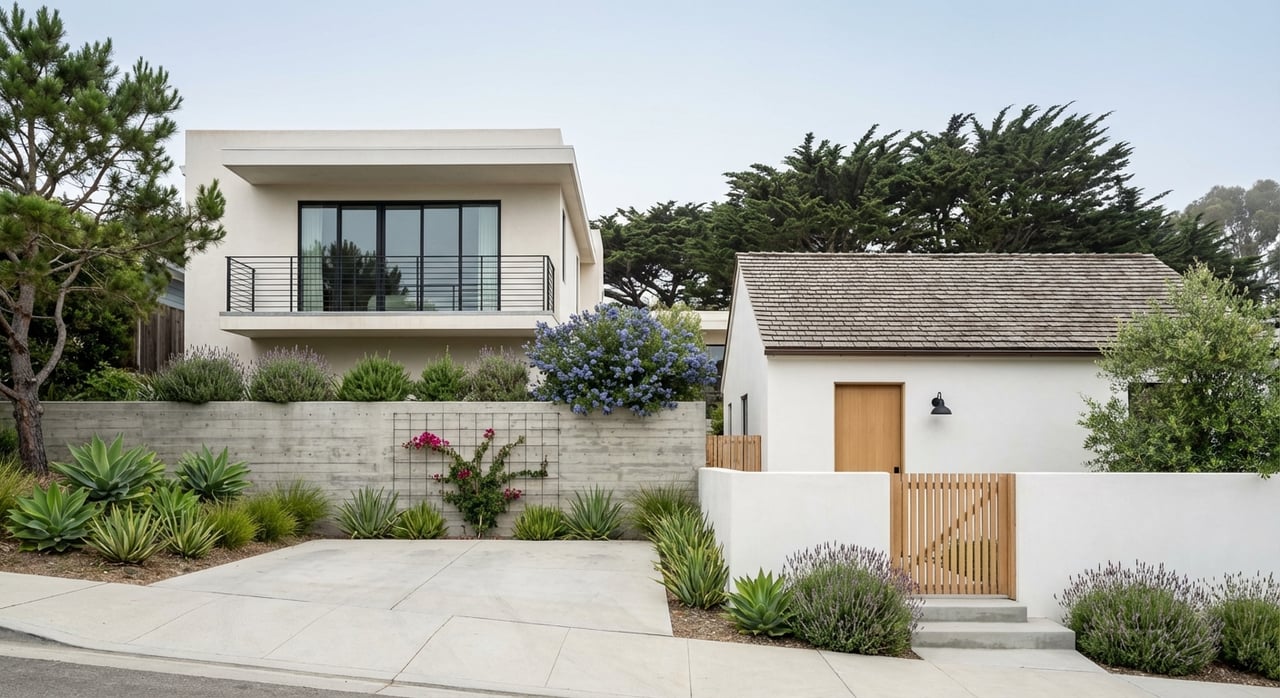
Living In Del Mar Village vs The Bluffs
February 19, 2026
February 19, 2026
Trying to choose between easy Village strolls and dramatic bluff‑top views in Del Mar? You are not alone. Both areas offer a coveted coastal lifestyle, yet the day‑to‑day feel, convenience, and ownership considerations are very different. In this guide, you will see how walkability, ocean access, views, privacy, and practical factors compare so you can focus your search with confidence. Let’s dive in.
“Del Mar Village” refers to the compact, walkable core along Camino del Mar near 11th–15th Streets, including Del Mar Plaza, Stratford Square, the Saturday market, and civic spots like the library and parks. It is the social and retail heart of town with small‑lot homes, townhomes, and condos clustered nearby. For local character and roots, review the area’s background in the city’s visitor archive on Del Mar Village history.
“The Bluffs” means the sandstone bluff line and the hillside neighborhoods perched above the coast, commonly including Del Mar Terrace, Via Grimaldi and Via Latina corridors, and Del Mar Heights. Homes here emphasize outlook and privacy, with steeper sites and varied walkability. Exact experience can differ by the block, driveway length, and distance from the beach.
Central Village addresses score as “Very Walkable,” meaning most errands can be done on foot. For example, the Camino del Mar and 11th Street area shows a high Walk Score where dining, cafes, groceries, and boutiques cluster (WalkScore for Camino del Mar at 11th). If you want to leave the car parked and enjoy evening strolls to dinner, the Village usually comes out ahead. You also gain quick access to weekly markets and casual meetups.
On the bluffs and hillsides, walkability is address dependent. Some streets near Seaview and Seagrove are closer to amenities, but many bluff‑top and hillside homes show lower to mid Walk Scores, which means more driving for errands (see an example snapshot for Seaview Avenue). Elevation changes and longer driveways also shape your day. If foot‑friendly convenience ranks high, verify the exact block before you decide.
Parts of the Village sit a short walk from Powerhouse Park and Del Mar City Beach. The city maintains beach access at the 15th Street node, making it easy to get from a flat Village stroll to the sand (Powerhouse Park details). Many Olde Del Mar streets near the core let you walk for coffee, then continue to the beach without hills. Expect more foot traffic in peak seasons, along with that classic seaside energy.
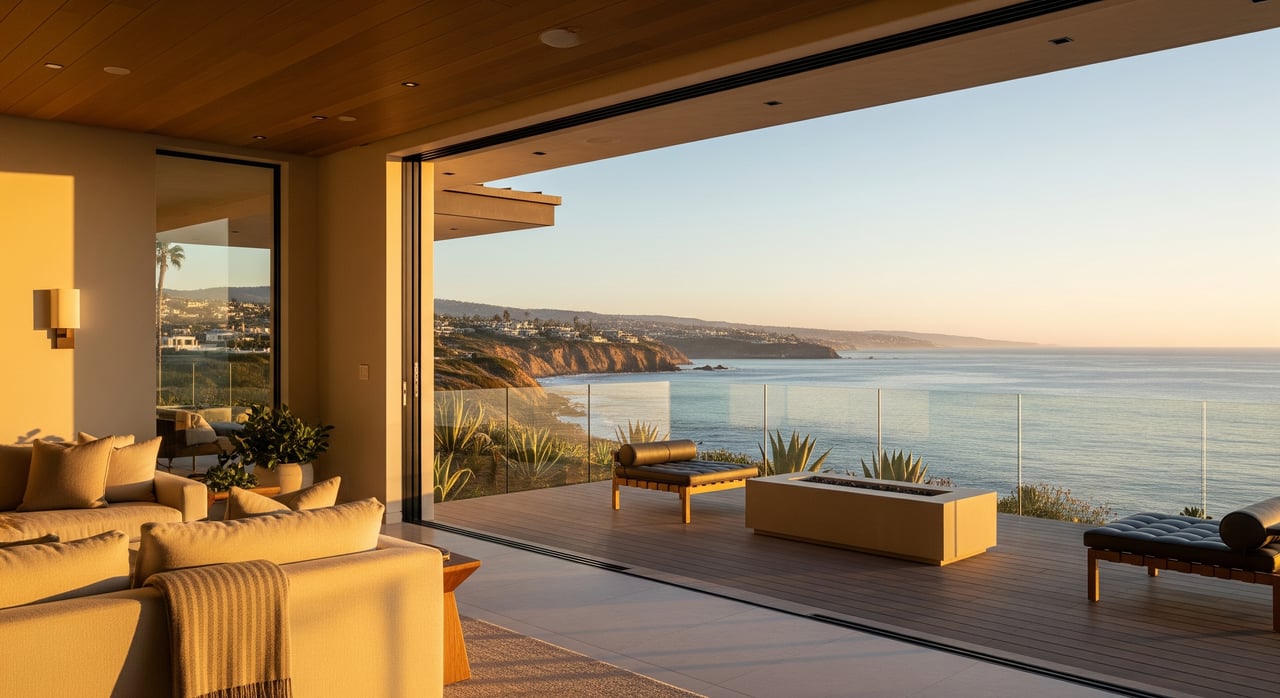
Bluff‑top homes often deliver unobstructed, sit‑down whitewater views. That is the signature experience: large horizons and privacy off your deck or terrace. Direct sand access can be limited, though. For example, Seagrove Park is an oceanfront bluff park that offers views but not direct beach access from the grassy overlook (Seagrove Park overview). If daily, flat walks to the sand are a must, verify whether a property has a legal access point or a nearby public stair.
In the Village, you will see small‑lot single‑family cottages, mixed‑use blocks with condos above retail, and a handful of boutique condo or townhome communities near the core. Yards are smaller and neighbors closer, which is the trade for walkability. Around Stratford Square, you will notice historic façades and Tudor‑influenced buildings that lend a distinct character to the streetscape (a visual primer appears in this landmarks photo series).
Bluff‑top and hillside homes range from mid‑century remodels to architect‑designed moderns that maximize glass, decks, and terraces. Lots are often irregular and sloped, with retaining walls, tiered gardens, and stairs between levels. You gain privacy and views, though everyday movement across the property can involve more steps and grade changes.
Bluff‑top and hillside addresses usually deliver greater separation, fewer passersby, and private outlooks. Village living places you near restaurants, cafés, and events, which adds energy and convenience but also more ambient sound. Seasonal rhythms matter in Del Mar. The Del Mar Racetrack and San Diego County Fair increase traffic and visitors in summer.
Two regional systems can influence daily life. First, the LOSSAN rail corridor runs along the toe of portions of the bluffs. It brings scenic trains and also active safety planning by local agencies (rail safety plans overview). Second, long‑term bluff stabilization and rail planning are ongoing, which can shape access and nearby construction windows (stabilization budget context). If noise or crowds are a concern, tour at different times and during race season.
Del Mar overall is a multi‑million‑dollar market, and thin luxury inventory can make headline averages swing based on a few large sales. For broad context, third‑party market snapshots show Del Mar’s values solidly in the multi‑million range, though precise pricing should rely on recent, micro‑area comps. In general, beachfront sits at the top premium, bluff‑top and hillside properties price high but usually below direct beachfront, and Village condos or townhomes can offer lower entry points into the city’s core. Use several recent sales in your exact micro‑neighborhood to set expectations.
Del Mar is within California’s Coastal Zone, and building near the bluffs brings stricter standards. Many remodels or new builds require site‑specific geotechnical studies and a coastal development review that weighs long‑term safety horizons. The California Coastal Commission publishes guidance on sea‑level rise and bluff retreat that informs local decisions (sea‑level rise guidance). Expect life‑of‑project assumptions and conservative setbacks to be part of the conversation.
Regionally, bluff stabilization and rail‑corridor planning continue to evolve through multi‑agency work, which can reduce risk but also introduce longer windows for engineering and permitting (regional stabilization planning). From an ownership standpoint, confirm early what your homeowners policy covers. Gradual erosion or landslide is often excluded, and coastal homes face salt‑air corrosion and faster exterior maintenance cycles (bluff erosion and maintenance primer).
Before you remove contingencies, use this short list to protect your position:
Choosing between Del Mar Village and the bluffs comes down to how you want to live each day. The Village delivers walk‑to‑everything ease and a lively rhythm near the sand. The bluffs and hillsides deliver horizon views, privacy, and architectural drama, with added attention to geology and maintenance. If you outline your daily priorities first, the right micro‑area usually becomes clear.
When you are ready to refine your search, connect with a coastal‑focused advisor who blends local insight with data‑driven pricing and due diligence. For a confidential, tailored discussion about your goals in Del Mar and the greater San Diego coast, reach out to Adriana Prieto. Schedule a Free Consultation.
Stay up to date on the latest real estate trends.
Adriana combines global perspective with local market expertise to deliver exceptional results. Contact her today to discuss your goals and start your real estate journey with confidence.