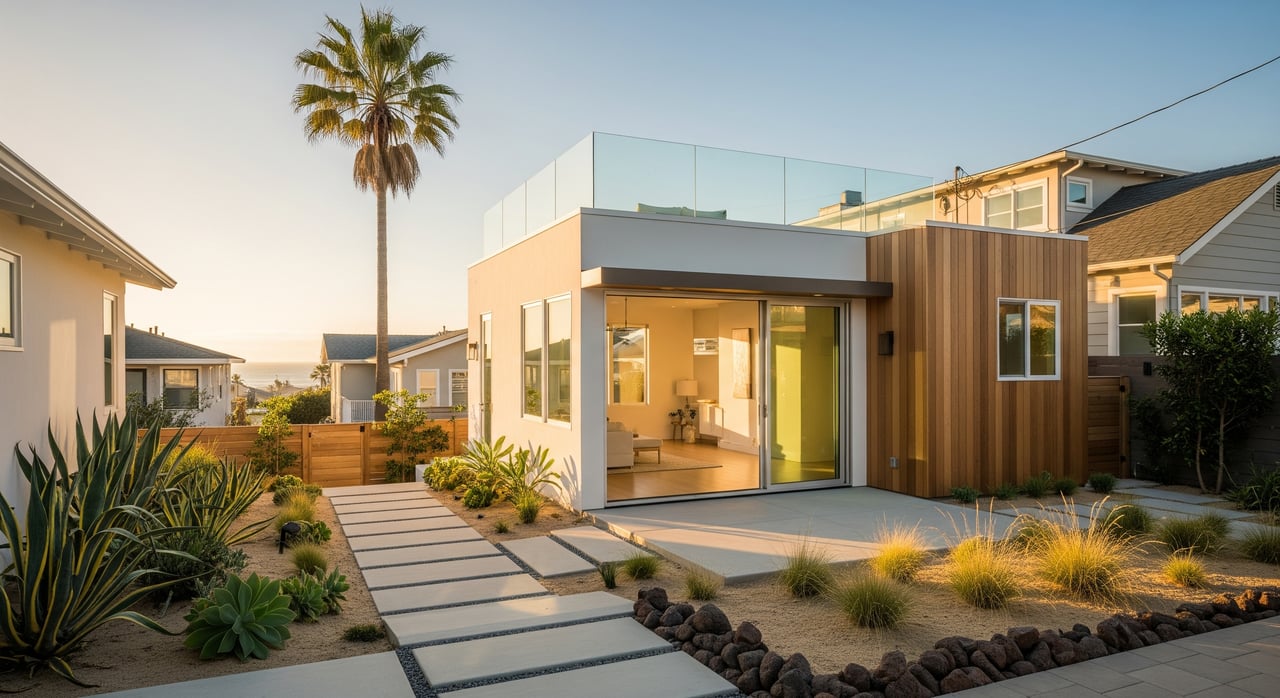
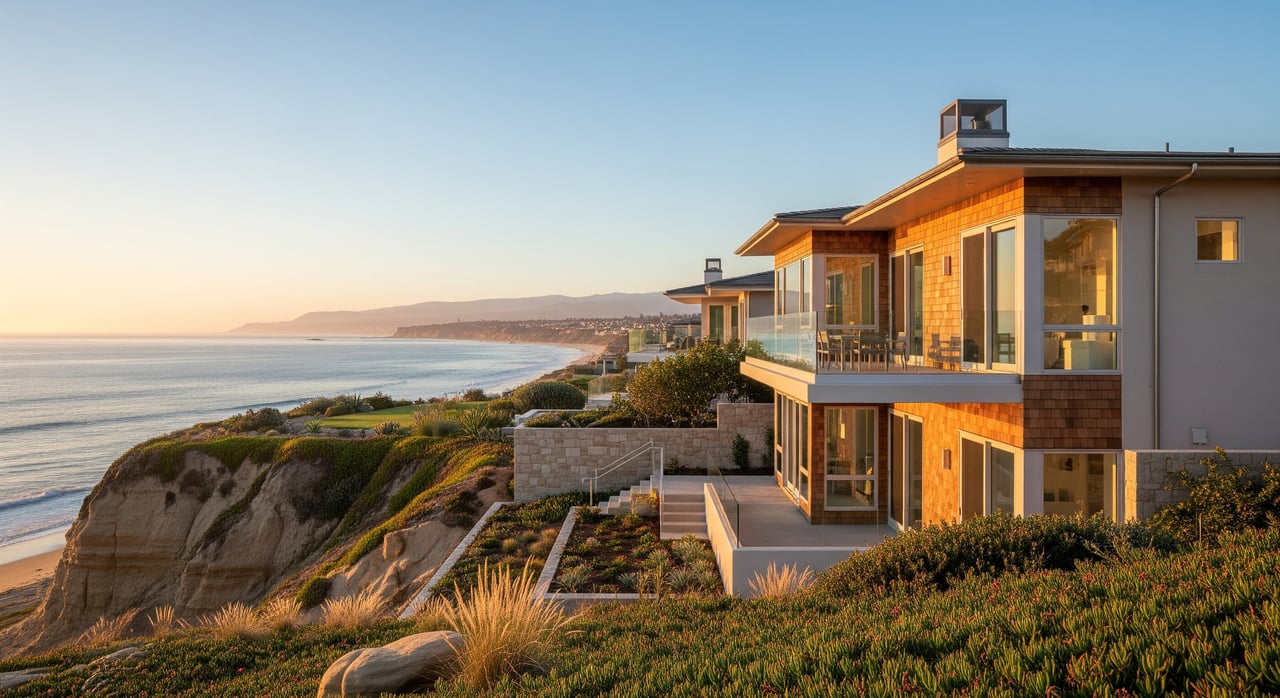
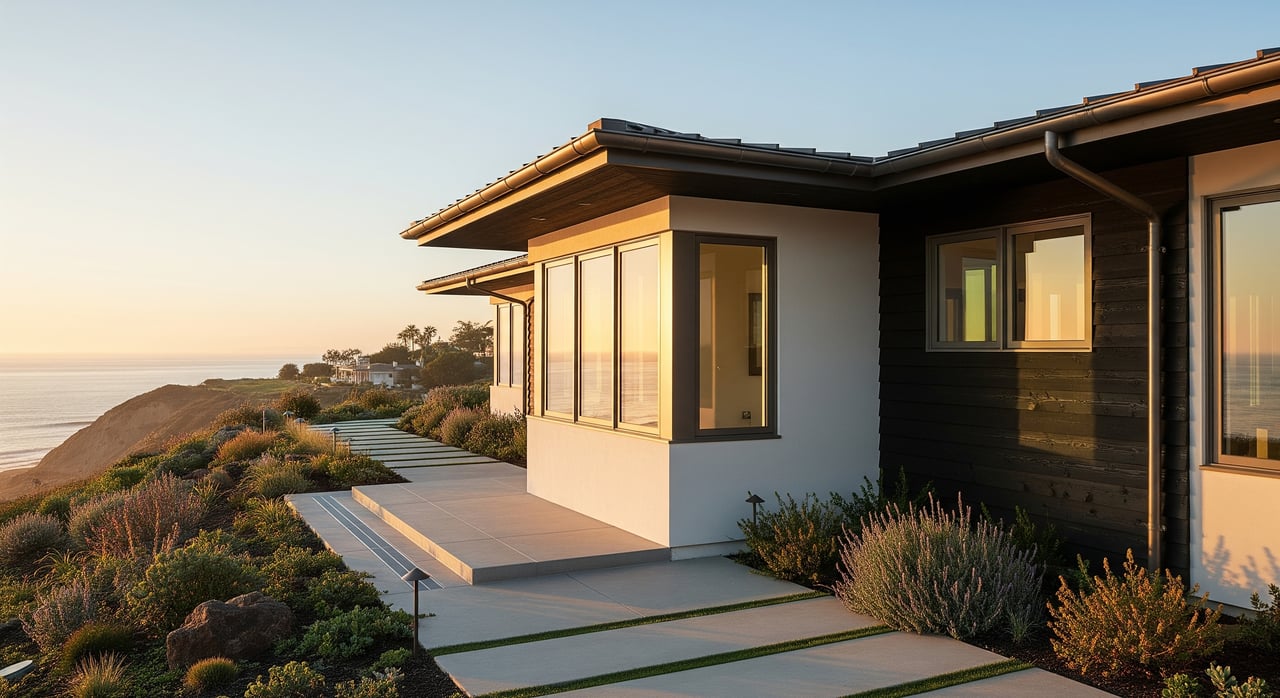
Salt in the air is part of the Del Mar lifestyle, but it is tough on homes. If you live near the surf or you are buying a coastal property, you know finishes can fade faster and metal can spot or rust. With the right materials, detailing and maintenance, you can protect your investment and keep your home looking its best longer. Here is a clear guide tailored to Del Mar so you can choose what lasts and plan smart upkeep. Let’s dive in.
Why Del Mar’s salt air accelerates wear
Del Mar’s cool coastal climate brings higher humidity and a frequent marine layer compared with inland neighborhoods. That moisture, plus airborne chloride from sea spray, increases corrosion and wear on exterior materials. NOAA climate normals and local ocean records show steady marine influence along our shore.
Salt aerosol levels are highest closest to breaking surf and decline with distance, but measurable deposition can reach well inland depending on wind and topography. Research shows the biggest jump in corrosion risk within the first few hundred meters from the shoreline, with effects extending farther on some days. This is why many coastal standards call for marine‑grade materials near the beach. See the chloride deposition science summarized in this academic overview.
Best exterior materials for coastal durability
Siding and façades
- Fiber cement is a top performer. It resists rot and insects and stays stable in humidity. It is widely recommended for coastal cladding when detailed with proper flashing and ventilation. Explore the coastal use case from James Hardie.
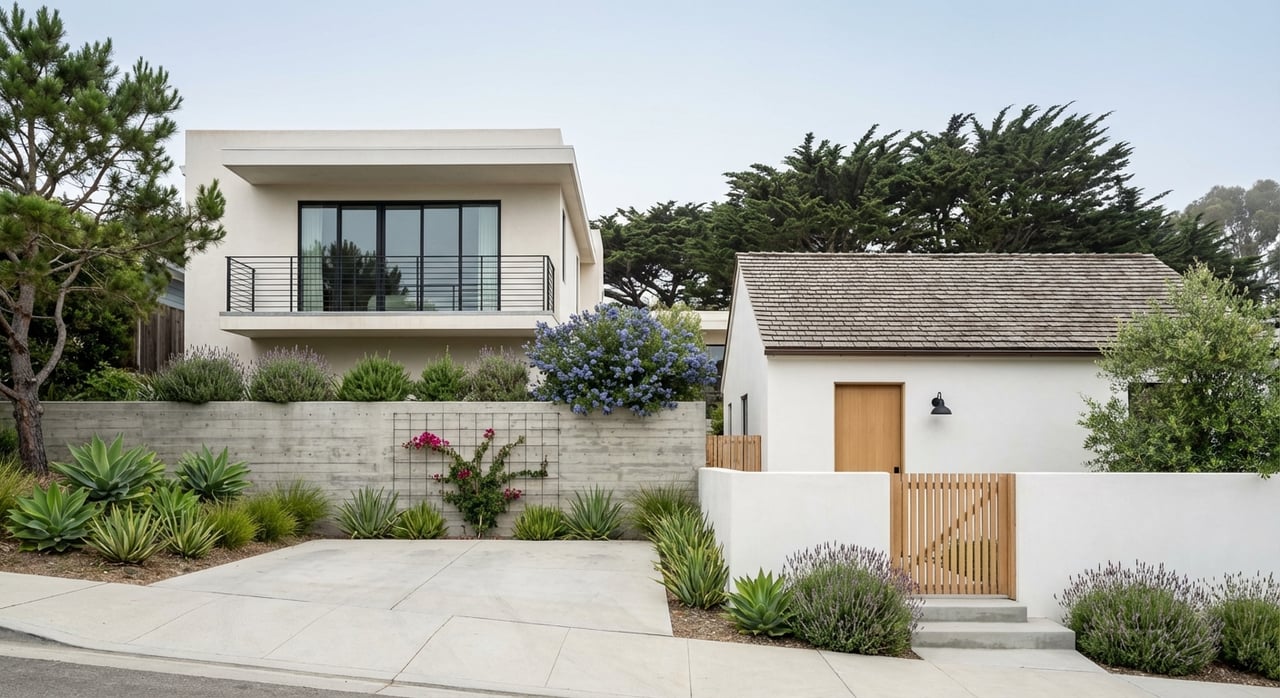
- Three‑coat cement stucco with modern acrylic finishes can be very durable in coastal Southern California. Use corrosion‑resistant lath and accessories, provide drainage, and repair cracks quickly to prevent salt intrusion. See common seaside best practices in this stucco FAQ.
- Solid PVC and engineered composite siding can work well when the product is UV stable and installed per coastal guidance. Expect lower maintenance than natural wood.
Roofing
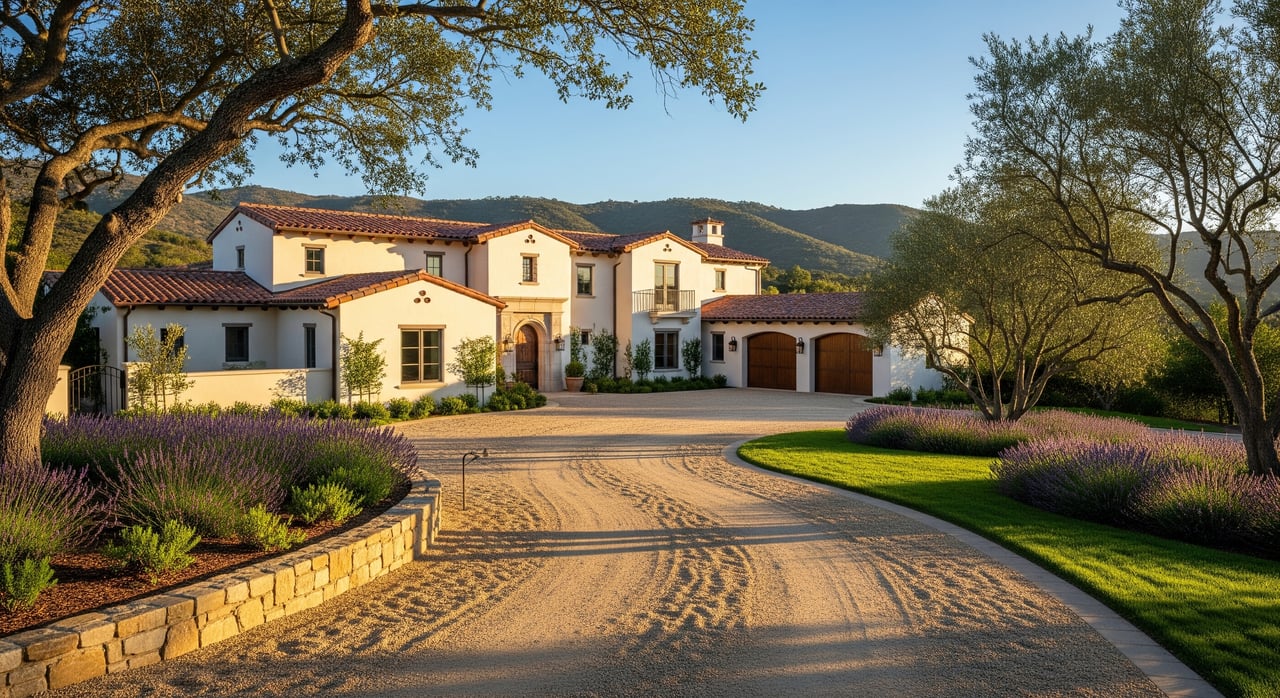
- Clay or concrete tile roofs perform well here when the underlayment, flashings and penetrations are detailed to shed water and resist corrosion.
- Metal roofing can be excellent if you specify corrosion‑resistant alloys and high‑performance finishes. PVDF coatings, often called Kynar, are known for long color and film retention in salt and UV. Learn why PVDF is the coastal standard in this coating overview.
Windows and doors
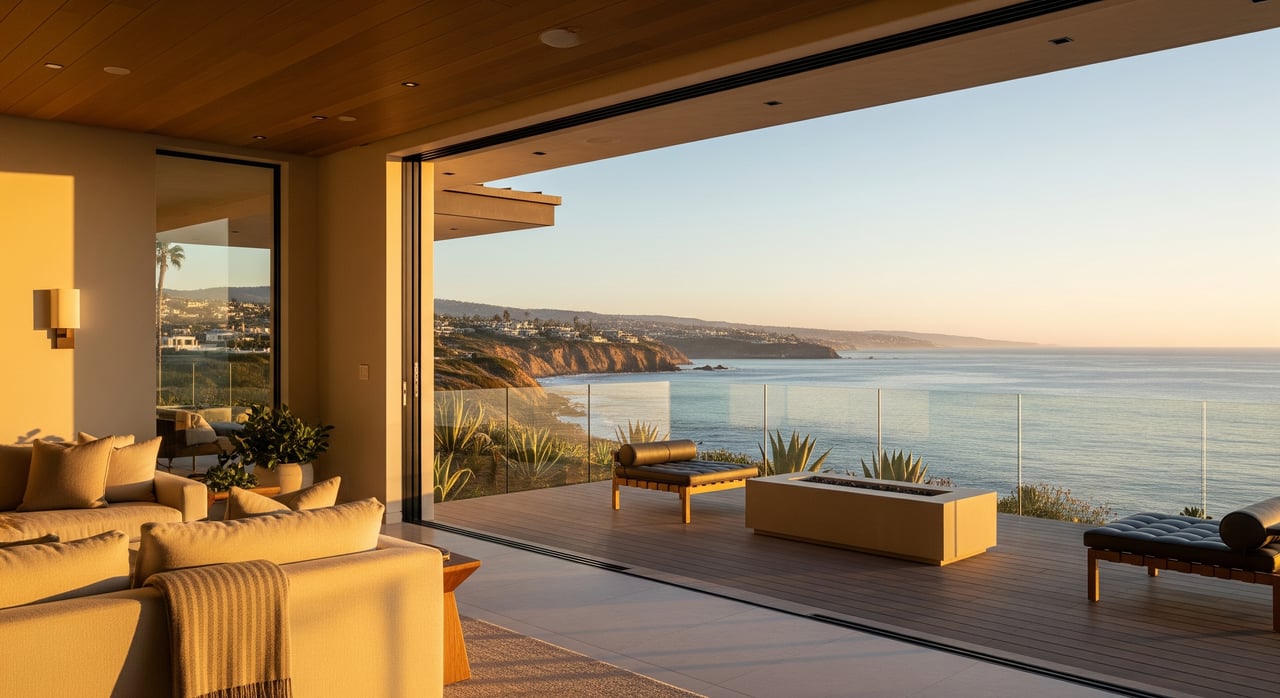
- Fiberglass frames and aluminum‑clad wood with high‑performance finishes handle humidity and salt better than bare metals. For aluminum, look for finishes that meet top AAMA performance levels. Choose marine‑grade hardware and seals, and verify sill drainage.
- For bluff‑front or oceanfront exposure, consider impact‑rated systems if your insurer or lender requires it.
Decking and exterior woodwork
- Modified wood like acetylated lumber offers excellent stability and rot resistance with a natural look. See performance claims and warranties from Accoya.
- Dense tropical hardwoods, such as Ipe, are time‑tested for waterfront decks. Use stainless fasteners and pre‑drill to avoid splits.
- Premium capped composites provide low maintenance in salt air. Confirm the brand’s coastal instructions and the required fastener types.
Metals, railings and fasteners
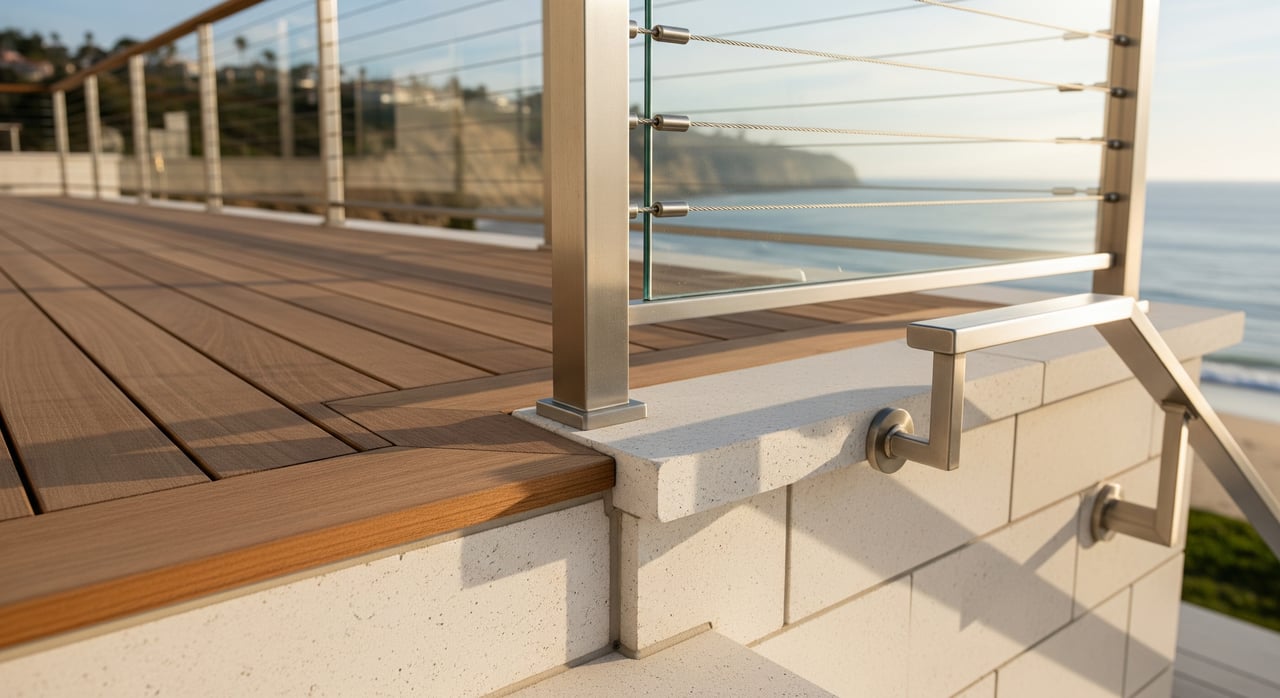
- Choose stainless steel strategically. Not all stainless is equal in salt exposure. 316 stainless typically outperforms 304 in chloride‑rich environments, reducing pitting and tea‑staining. See coastal selection guidance from IMOA.
- For decks and exterior trim near the ocean, insist on 316 stainless fasteners and compatible hardware. Mixing metals without isolation can trigger galvanic corrosion. Review fastener considerations in this marine fastener guide.
- For exposed aluminum, specify anodized or high‑grade powder or PVDF coatings. Avoid bare or lightly coated steel in spray zones.
Details that extend service life
Rainscreens, drainage and sealants
- Ventilated rainscreens behind siding and stucco reduce trapped moisture, cut efflorescence risk, and keep sheathing drier.
- Use sloped sills, generous overhangs, and drip edges so water and salt cannot sit on flat ledges.
- Choose flexible sealants that can handle movement. Maintain joints and replace failing sealant promptly.
Mechanical and solar components
- Coastal HVAC models use corrosion‑resistant coils and protective coatings to slow salt attack. Review options in this coastal HVAC overview.
- For solar, specify modules and racking rated for salt‑mist exposure and use 316 stainless hardware. Keep wiring and terminations sealed from salt and wind‑driven sand.
Simple maintenance schedule for near‑shore homes
- Every 3 to 6 months: Gently rinse exterior surfaces with fresh water to remove salt film. Avoid high pressure that can damage finishes. Increase frequency for oceanfront façades.
- Annually: Inspect railings, fasteners, and painted metals for early tea‑staining or pitting. Replace compromised parts quickly to stop corrosion spread.
- Every 5 to 10 years: Inspect high‑performance coatings and roofing for wear. Follow the finish manufacturer’s maintenance and warranty guidance.
- Seasonally and after storms: Clear weep holes, gutters and scuppers. Check sealants, window gaskets and flashing terminations.
- HVAC: Clean outdoor condenser coils and consider professional protective coatings if units sit in the marine spray zone.
Planning and permitting in Del Mar
Del Mar’s shoreline conditions are evolving. Sea‑level rise, bluff erosion and sand management can affect long‑term exposure and project permitting, especially for beachfront and bluff‑top properties. Before major exterior work, review the city’s current coastal program resources and consult staff as needed. You can explore the city’s sea‑level rise work program here: City of Del Mar coastal planning.
Cost and resale perspective
Marine‑grade materials and premium finishes cost more upfront but often reduce total life‑cycle costs by lowering repair and replacement frequency. Documented upgrades, such as 316 stainless hardware, PVDF‑finished metals and coastal‑rated HVAC, can support insurability and future resale. If you are evaluating two similar homes, factor in the materials, detailing and maintenance history when you model long‑term ownership costs.
Ready to align your material choices with long‑term value in Del Mar? For guidance on how coastal construction choices influence marketability, timelines and resale, connect with Adriana Prieto for a confidential consultation.
FAQs
What exterior siding lasts longest in Del Mar’s salt air?
- Fiber cement and well‑detailed cement stucco with acrylic finishes are strong coastal performers. They resist rot and handle humidity better than natural wood when properly flashed and ventilated.
Which fasteners should I use for decks and railings near the ocean?
- Use 316 stainless steel screws, bolts and hardware, and avoid mixing dissimilar metals. It resists chloride‑driven pitting better than common 304 grades.
Are metal roofs a good idea by the beach in Del Mar?
- Yes, if you specify corrosion‑resistant alloys and top‑tier finishes like PVDF. Correct flashings and compatible fasteners are critical to longevity.
How do I maintain stucco close to the surf?
- Rinse with fresh water a few times per year, repair hairline cracks quickly, and keep weep screeds and drainage paths clear so moisture does not get trapped.
What should I ask about HVAC on a coastal property?
- Confirm coastal‑rated outdoor units or protective coil coatings, schedule coil cleaning, and verify placement away from direct spray when possible.