Thinking about adding an ADU to your Pacific Beach property but not sure where to start? You are not alone. Between state rules, San Diego codes, tight lots, and coastal permits, the path can feel complex. This guide simplifies the essentials so you can choose the right approach, set realistic timelines, and avoid costly missteps. Let’s dive in.
ADU and JADU basics
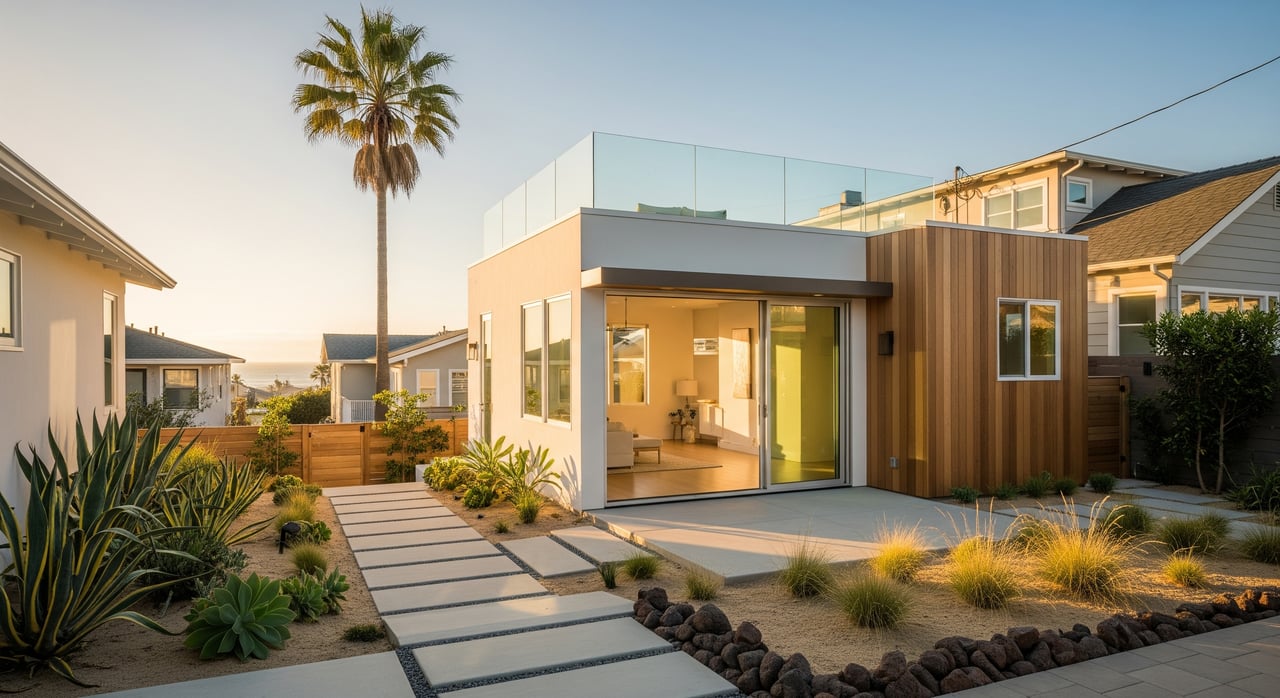
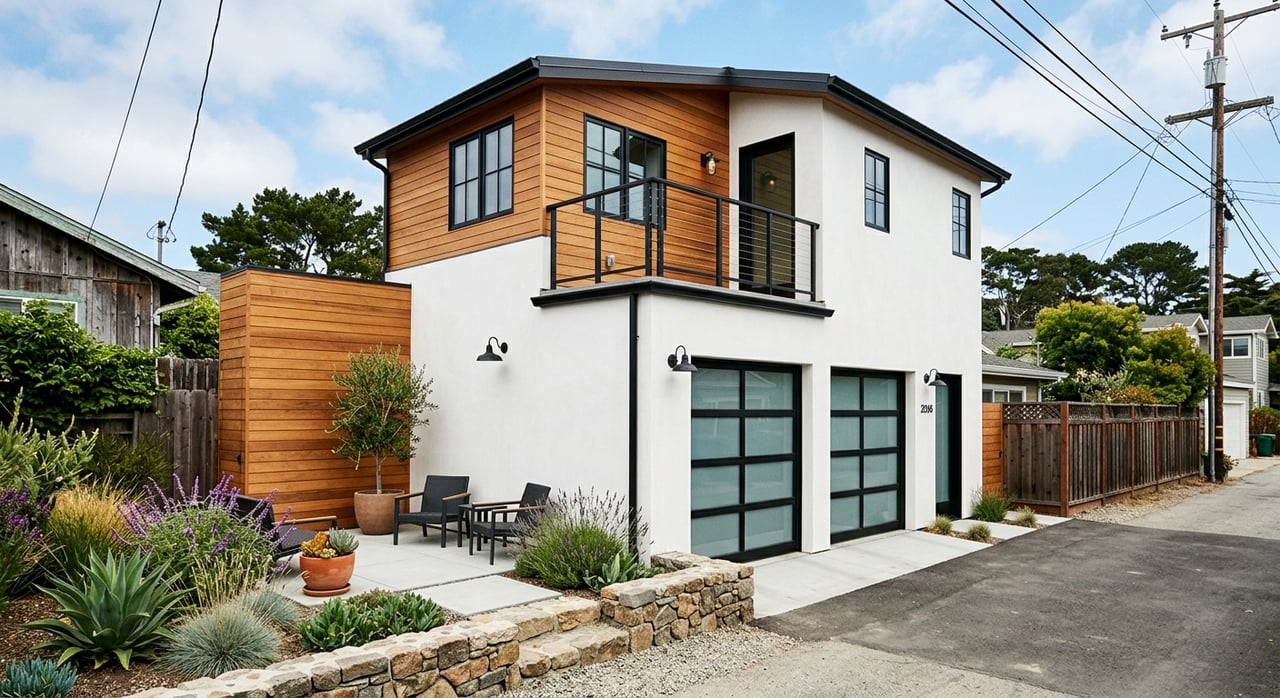
An accessory dwelling unit is a secondary home on the same lot as a primary residence. In San Diego, you can create an attached, detached, or conversion ADU if you meet objective standards.
A Junior ADU, or JADU, is an interior unit within the existing home and is limited to 500 sq ft. JADUs are popular for in‑law suites or caregivers because they often cost less and can be permitted faster than a standalone structure.
Your best first decision is purpose. If you want multi‑generational space with lower cost, a JADU or interior conversion often fits. If you want more privacy or a larger footprint, a detached ADU may be worth the added design and permitting steps.
What California law guarantees
State law sets a baseline that all cities must follow. Highlights you should know:
- Ministerial permits: If your ADU meets objective standards, the City must review it ministerially without discretionary design review.
- Parking relief: In many common cases, cities cannot require new parking for an ADU, such as when the property is near transit or the unit is created from existing space. Local conditions still matter for practical parking.
- Fee limits for smaller units: ADUs under 750 sq ft are often exempt from certain impact or connection fees. Check the current City schedule for your exact scenario.
- JADU definition: Interior units up to 500 sq ft with unique rules compared with full ADUs.
Pacific Beach realities that shape your plan
Pacific Beach is dense, coastal, and full of compact lots. Those conditions influence what is feasible and how long it may take.
- Lot and layout: Many PB parcels are tight. Conversions and attached ADUs are often the most practical path. Detached ADUs must satisfy setbacks, height, and lot-coverage standards.
- Height and massing: Ocean views and neighborhood scale are sensitive along the coast. Two‑story or tall ADUs may face stricter limits in certain zones and overlays.
- Parking: On‑site parking is tight in PB. Even when new parking cannot be required under state rules, plan for real-world vehicle use and storage so the project functions well.
- Coastal overlay: Much of PB sits in the Coastal Zone. Some conversion ADUs may be exempt from a Coastal Development Permit, while new detached ADUs near bluffs or public view corridors can trigger a CDP with added steps and conditions.
- Coastal hazards: Properties near the shoreline may sit in flood zones or erosion areas. That can affect foundation design, elevation requirements, stormwater design, and cost.
- Short‑term rentals: An ADU is not automatically eligible for vacation rental use. The City of San Diego has separate short‑term rental rules and permits. Verify before you count on STR income.
Choose your goal: family use or income
Start with the outcome that matters most. Your goal will drive the right ADU type and scope.
- Multi‑generational living: A JADU or attached ADU can provide privacy with close proximity. Focus on accessibility, single‑level layouts, wider doors, and a no‑step entry if possible. Separate HVAC and a modest kitchen or kitchenette can improve comfort.
- Long‑term rental income: A full ADU with its own entrance is the simplest rental path. Model conservative rents and include vacancy, maintenance, insurance, and management. Coastal sites can cost more to build and insure.
- Short‑term rental: Attractive demand does not guarantee eligibility. Confirm San Diego’s STR rules, permit caps, and whether ADUs qualify before you invest.
Permitting steps in San Diego
These are the typical phases from concept to keys in Pacific Beach:
- Preliminary research: Confirm zoning, lot details, and overlays like Coastal or Flood through City resources. Note sewer availability and any historic status.
- Early City touchpoint: For coastal or bluff‑adjacent properties, a pre‑application or design consultation with City staff helps surface CDP triggers and design constraints.
- Hire your team: Engage a designer or architect with San Diego ADU and coastal experience. Order a survey or topography if needed, and confirm utility locations.
- Prepare plans: Create site plan, floor plans, elevations, structural and energy calculations, and any required technical reports. Geotechnical studies are common for bluff or flood areas.
- Submit permits: File for a ministerial ADU permit. If required, add a Coastal Development Permit. Expect extra time if coastal hazards, views, or public access are involved.
- Build and inspect: After approval, secure building permits, schedule inspections, and complete construction.
- Closeout: Pass your final inspection and obtain your certificate of occupancy as applicable.
How long it may take
Timelines vary by scope and location:
- Simple conversions and JADUs: a few weeks to a few months for design and ministerial review.
- Detached ADUs on straightforward inland lots: several months from design through building permit issuance.
- Coastal or bluff‑adjacent projects: many months or longer if CDPs, geotechnical reports, or appeals are involved.
Budget, fees, and utilities
Every site is different, but plan for permit and plan‑check fees. Under state rules, smaller ADUs, often those under 750 sq ft, may be exempt from certain impact and connection fees. Always confirm the current San Diego fee schedule.
If your project needs new water or sewer connections, capacity fees can apply. Coastal sites may require stormwater measures or more complex foundations that increase costs. For rentals, review insurance changes, consider landlord or umbrella coverage, and ask a CPA about rental income taxation and depreciation.
Pre‑meeting checklist for PB homeowners
Gather these items before you speak with designers or City staff:
- Parcel basics: APN, deed, lot dimensions, recent survey if available
- Zoning and overlays: zone type, Coastal Overlay status, Flood Zone, or historic district
- Photos: front, rear, side yards, existing structures, driveway, and street frontage
- Existing plans: any record drawings, floor plans, or prior permits
- Utilities: sewer connection details, lateral location, or septic documentation
- HOA or CC&Rs: any private restrictions on new structures or rentals
- Goals and scope: target size, family or rental use, accessibility needs
- Parking plan: how many vehicles and where they will park or charge
- Budget and financing: cash, refinance, or construction loan path
Design priorities for coastal ADUs
Discuss these with your design team upfront, especially in Pacific Beach:
- Feasibility study: a quick massing and setback test that respects lot coverage, privacy, and neighborhood context
- Stormwater and drainage: small lots and coastal areas demand careful grading and on‑site management
- Foundation and soils: bluff or flood‑prone sites may require engineered foundations or elevated floors
- Energy and comfort: passive ventilation, daylighting, and Title 24 compliance
- Site access and staging: narrow streets can complicate deliveries and storage; plan ahead
- Accessibility: no‑step entries, wider doors, and single‑level layouts for aging in place
Common pitfalls and how to avoid them
- Assuming STR use is allowed: San Diego’s short‑term rental rules are separate and can be restrictive. Verify eligibility before designing to an STR revenue model.
- Overlooking parking realities: Even when no new spaces are required, a workable parking plan improves daily life and tenant appeal.
- Underestimating coastal permits: A CDP can add time and conditions. Early coastal staff input reduces surprises.
- Ignoring CC&Rs: Private rules in condos or HOAs may restrict ADUs or rentals. Check early.
- Skipping hazard checks: Flood or erosion constraints affect design, cost, and timing.
Next steps
The right ADU can enhance lifestyle, support family, or add steady income. In Pacific Beach, feasibility and coastal due diligence are the keys to a smooth process. If you would like a confidential, locally grounded perspective on what will work best for your property and goals, reach out to Adriana Prieto to Schedule a Free Consultation.
FAQs
Can I build an ADU on a small Pacific Beach lot?
- Possibly. If you can meet setbacks, lot coverage, and height limits, a conversion or attached ADU is often the most feasible approach. A site-specific feasibility check is essential.
Will I have to add parking for my ADU in Pacific Beach?
- Not always. State law limits when cities can require new parking, especially near transit or for conversions. Still, plan for practical parking needs and local conditions.
Do Pacific Beach properties need a Coastal Development Permit for an ADU?
- Many do. Properties in the Coastal Zone may require a CDP, particularly for new detached ADUs near bluffs or affecting public views. Some small conversions may be exempt.
Can I use a Pacific Beach ADU as a short‑term vacation rental?
- Not automatically. San Diego has separate short‑term rental rules and permits. Confirm eligibility and registration requirements before relying on STR income.
How long and how much for a Pacific Beach ADU?
- It varies. Conversions and JADUs tend to be faster and less costly. Detached coastal ADUs with geotechnical needs take longer and cost more. Get local estimates and a feasibility study before committing.