Everyday Life In Coronado: Beaches, Dining, And More
April 16, 2026
April 16, 2026
If you are considering Coronado, you are probably not just asking what homes look like. You are asking what life feels like once the boxes are unpacked and your daily routine begins. In Coronado, that routine often centers on the water, walkable gathering spots, and a compact coastal setting that feels connected and easy to navigate. Let’s dive in.
Coronado describes itself as a small seaside community with a charming ocean village atmosphere, and that description helps explain the pace of daily life. At 13.5 square miles and surrounded by San Diego Bay and the Pacific Ocean, it offers a setting where beach access, parks, and civic amenities are part of the regular rhythm rather than occasional perks.
According to the City of Coronado, residents have access to 18 public parks, a public library, a Community & Aquatics Center, a boat launch, and dedicated bike and walking paths. The city also operates its own police, fire, and marine safety services, which adds to the sense of an organized, full-service coastal community.
That matters if you are trying to picture daily life beyond the postcard views. Coronado tends to feel less spread out than many coastal areas, with lifestyle amenities woven into a compact footprint that supports walking, biking, and short drives.
For many people, Coronado Beach is the anchor of the local lifestyle. The city says the beach stretches about 1.75 miles and includes amenities such as restrooms, showers, volleyball courts, picnic areas, accessibility features, and beach wheelchairs through the Coronado Beach information page.
The beach is staffed year-round at Central Beach, with added seasonal towers at Public Beach and Glorietta Bay during summer. That year-round setup reinforces the idea that the shoreline is part of normal life in Coronado, not just a seasonal attraction.
Coronado is also a smoke-free city, with smoking prohibited on public property. Combined with well-maintained public amenities, that helps support the clean, orderly beach environment many buyers are looking for.
Your outdoor options extend well beyond one stretch of sand. Silver Strand State Beach sits about 4.5 miles south of Coronado and offers 2 1/2 miles of ocean beach and 1/2 mile along the bay, with activities that include swimming, surfing, boating, volleyball, picnicking, and camping.
That variety gives Coronado living a wider outdoor footprint. You can enjoy the classic open beach in town, bayfront recreation around Glorietta Bay, or longer coastal outings along the Silver Strand corridor.
If you want more than beach time, Coronado Cays Park adds another layer to daily life with pickleball courts, tennis, baseball and softball space, playground equipment, water views, and an off-leash dog run. It is one more example of how outdoor recreation is built into the community.
One of Coronado’s strongest lifestyle advantages is how concentrated its shopping and dining areas are. Instead of long commercial corridors, many everyday stops are centered in a few walkable nodes.
The main commercial core is Coronado MainStreet along Orange Avenue. MainStreet notes that the district was created by the city in 1988 and has grown into a hub for shops, restaurants, and local businesses. For you, that means errands, casual dining, and browsing can feel more like part of a village routine than a trip across town.
This layout helps shape the personality of Coronado. The commercial areas feel intentional and compact, which supports the small-town atmosphere that draws many buyers to the island.
The other major lifestyle hub is Coronado Ferry Landing. Its official site describes it as a place to dine, shop, and play, with waterfront restaurants, boutique retail, free parking, and live music on Sundays year-round, plus Saturday performances during the warmer season.
The Ferry Landing also stands out for access. You can arrive by car, boat, or ferry, which gives the area a distinctly bayfront feel and makes it one of the easiest places to enjoy a casual meal or waterfront view as part of everyday life.
For readers exploring Coronado, the big takeaway is simple: dining and shopping are not scattered. They are clustered in places that make it easy to combine errands, meals, and time by the water.
In many coastal communities, boating can feel separate from everyday life. In Coronado, public waterfront access makes it a more visible part of the local routine.
The city’s Glorietta Bay Marina includes 100 slips, transient and permanent dockage, and on-site amenities. The marina also connects with Seaforth Boat Rentals, which offers public access docking and dock-and-dine opportunities.
That setup means you do not need to own waterfront property to enjoy the bay. It is one more way Coronado supports an active coastal lifestyle that feels practical, not just aspirational.
At the south end of Glorietta Bay Park, the Boathouse expands those options with kayak, stand-up paddleboard, and rowing-shell rentals, along with instruction and fitness classes. If you like the idea of being on the water without committing to a boat, this is a meaningful part of the Coronado lifestyle picture.
For many buyers, this kind of access matters. It shows that waterfront living here can include simple, repeatable routines like a morning paddle or a fitness class by the bay.
Coronado’s size helps, but so do its transportation options. The city highlights several alternative transportation resources, including a free summer shuttle on MTS Route 904, a city-subsidized commuter ferry between Coronado Ferry Landing and Broadway Pier, and planning efforts focused on walking and biking.
That supports a lifestyle where you may not need to drive for every outing. Depending on where you live, biking to a park, walking to Orange Avenue, or taking a ferry across the bay can be realistic parts of your week.
For buyers comparing coastal communities, that convenience is worth noting. Coronado’s layout supports a more connected day-to-day experience than areas where amenities are spread farther apart.
A lifestyle article about Coronado would be incomplete without its community gathering spaces. These places help explain why the city feels lived-in year-round, not only during peak visitor seasons.
The John D. Spreckels Center is a strong example. The city describes it as a center for health, fitness, wellness, volunteer activity, civic engagement, educational programs, arts, and intergenerational connection.
That range of programming adds depth to the Coronado experience. It suggests a community with recurring routines and regular places to connect, whether your interests lean social, creative, or fitness-focused.
Spreckels Center and Bowling Green also tie into some of the city’s recurring events, including Concerts in the Park and the annual Coronado Flower Show. These kinds of traditions help create a sense of continuity and place.
For someone thinking about buying in Coronado, this matters because lifestyle is not only about scenery. It is also about whether a place offers familiar rhythms, public spaces, and reasons to stay engaged close to home.
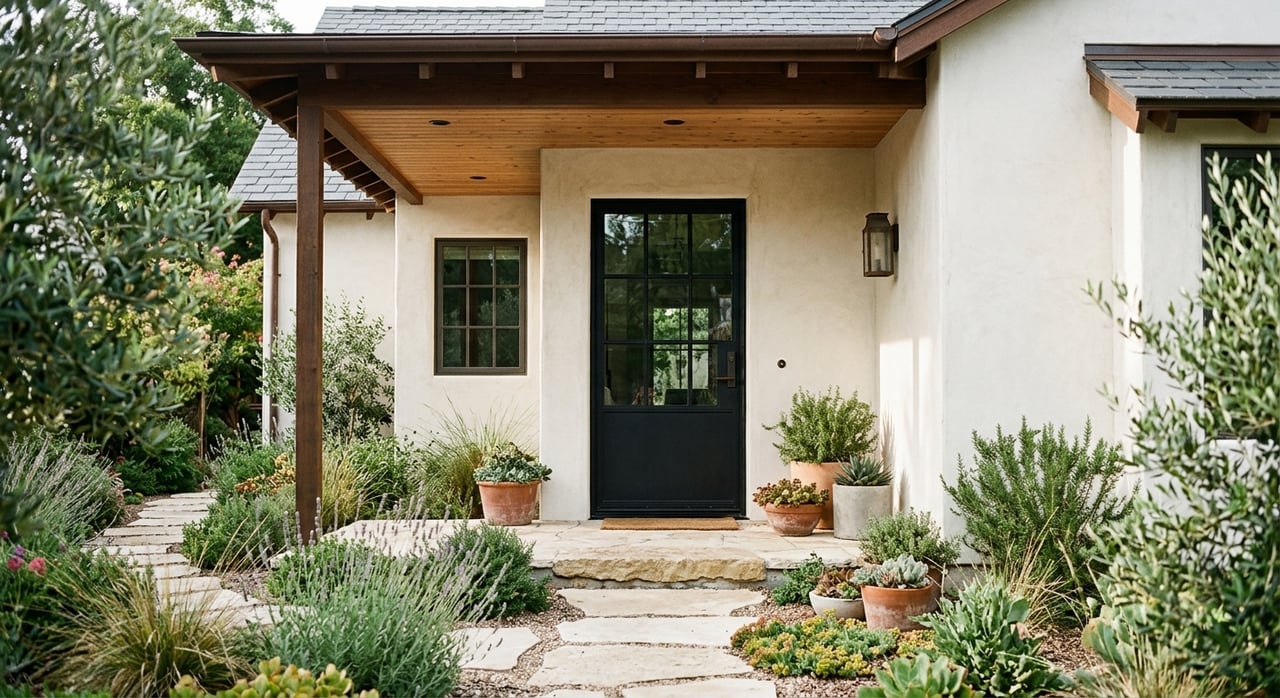
Coronado’s housing stock is one reason the area appeals to a wide range of buyers. The city’s historic preservation program helps protect many designated historic resources and guides review for older structures, supporting the character of older cottages, bungalows, and early 20th-century homes in the Village.
That preserved housing fabric gives parts of Coronado a distinct sense of scale and architectural continuity. If you are drawn to older coastal homes with established character, this is an important part of the local identity.
At the same time, Coronado also includes other housing forms. The city’s housing policy documents note multi-family, townhouse, detached single-family, condominium, and rental housing in certain plan areas, adding variety within a relatively compact city.
From a buyer’s perspective, Coronado offers several different lifestyle settings. The Village is often associated with historic homes and cottages, while the Cays include planned marina-style neighborhoods with a mix of housing types.
The city’s policy framework also supports the broader picture of condo and multi-family options, and the Coronado Shores is widely recognized for its high-rise condominium towers. Together, these patterns help explain why Coronado appeals to both full-time residents and second-home buyers looking for a coastal property that matches a specific lifestyle preference.
The strongest case for Coronado is not just location. It is routine. You can picture beach walks in the morning, errands along Orange Avenue, lunch by the bay, bike rides on dedicated paths, and community events that make the area feel active throughout the year.
That combination of waterfront access, walkable commercial areas, public amenities, and housing variety gives Coronado a distinct place in the San Diego coastal market. If you are exploring whether it fits your goals, it helps to evaluate not only the home itself, but also the daily experience that comes with the address.
If you are considering a move to Coronado or comparing it with other coastal neighborhoods in San Diego, Adriana Prieto offers a thoughtful, high-touch approach to helping you evaluate lifestyle, property options, and long-term value.
Stay up to date on the latest real estate trends.
Adriana combines global perspective with local market expertise to deliver exceptional results. Contact her today to discuss your goals and start your real estate journey with confidence.