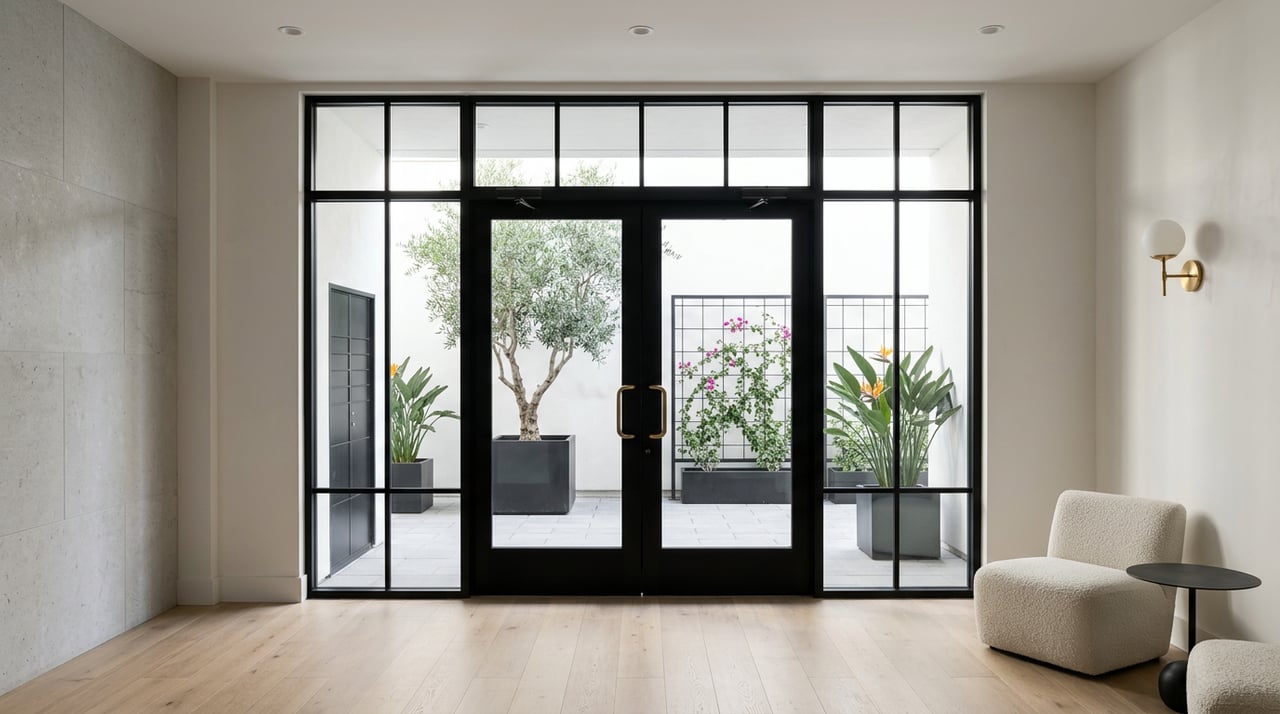
Is A Coronado Condo The Right Second Home For You?
March 5, 2026
March 5, 2026
Thinking about a Coronado condo as your second home? You might picture morning walks on a wide, soft-sand beach, sunset ferry rides to dinner downtown, and a lock-and-leave place that feels effortless. At the same time, you likely want clarity on HOA costs, rental restrictions, and what to check before you buy. In this guide, you’ll learn how Coronado’s condo options differ, the 26-night rental rule, key inspections and insurance to review, and a simple framework to decide what fits your lifestyle. Let’s dive in.
You can reach Coronado by car over the iconic bridge or by a frequent passenger ferry that lands at the Ferry Landing with a short hop to downtown San Diego. The ferry and bridge make weekend and short stays practical, even if you arrive without a car. Schedules can shift with seasons, so confirm current times through local visitor resources like the overview of attractions near the Coronado Ferry Landing.
Coronado Central Beach, near the Hotel del Coronado, is a major draw for second-home owners who prioritize sun and sand. The shore consistently earns national recognition, including repeat placements on Dr. Beach’s top lists, a point of pride for locals and visitors alike (Coronado Beach again on Dr. Beach's Top 10). Whether you prefer ocean waves, bayfront views, or miles of paths along the Silver Strand, outdoor time comes naturally here.
Coronado is a small, high-demand island market with limited inventory. Recent snapshots show median home and condo values in the multi-million range, though numbers vary by data source and date. Expect tight supply for prime addresses and use current, address-level comps when you are actively shopping.
The oceanfront towers at the Coronado Shores offer a resort-style experience with staffed lobbies, multiple pools, tennis or pickleball courts, and direct beach access. These buildings are convenient for quick, frequent getaways and often feel the most lock-and-leave friendly. You can preview typical features by scanning an amenity example from the Shores’ rental pages (sample amenity mix).
Low-rise buildings in and near the Village place you close to Orange Avenue shops, coffee spots, and dining. These associations tend to have fewer shared amenities and a smaller HOA footprint. In many cases, you take on a bit more direct responsibility, which can keep the day-to-day simple if you like a lighter amenity set.
Bayfront condos and the Coronado Cays appeal to owners who prioritize marina access or private docks. If a slip is essential, confirm whether rights are deeded to the unit or managed by the HOA, and how dock maintenance is handled. These details live in the title report and HOA documents and should be verified early.
Coronado treats most short-stay vacation rentals as transient occupancy. Residential rentals of 25 days or less are prohibited, which effectively means a 26-consecutive-night minimum for legal rentals. Local property managers and HOA pages emphasize this minimum, and the city has enforced violations in the past (overview of 26-night rental guidance and local enforcement example). If renting is part of your plan, focus on monthly or seasonal stays and confirm your building’s CC&Rs. Some HOAs add longer minimums or limit how often you can lease.
HOA dues vary widely. Large, amenity-rich towers often carry higher monthly fees to fund staffing, insurance, and common-area upkeep. Smaller associations can have lower dues but may levy special assessments for big projects. Before you commit, request the full HOA resale package and the most recent reserve study. California Civil Code §5550 requires regular reserve-study planning and physical inspections, so you should review those documents closely (Civil Code §5550).
Many condo buildings in California must complete periodic inspections of exterior elevated elements, such as balconies and walkways, by a licensed professional. This is mandated by SB-326 and codified in Civil Code §5551. Ask for the latest inspection report and how any recommended repairs will be funded, since incomplete or unfunded items can affect financing and future resale (Civil Code §5551).
Condo insurance usually has two layers: the association’s master policy and your individual HO-6. Your HO-6 can cover interior finishes, personal property, liability, and optional loss-assessment coverage that helps if the HOA levies certain assessments after a claim. For second-home use, insurers may apply different terms, so request the HOA declaration page and an HO-6 quote based on how you plan to occupy the unit (condo insurance overview).
Salt air accelerates wear on windows, doors, railings, and outdoor metal. Oceanfront and bayside locations also face variable flood exposure. Check FEMA flood maps and use the NOAA Sea Level Rise Viewer during due diligence to understand both current and long-term risk. Getting a flood-insurance quote early can help you budget and avoid surprises (NOAA Sea Level Rise Viewer).
Use these prompts to align lifestyle with location and building type.
Coronado delivers a rare blend of convenience, coastal recreation, and condominium choices that fit a range of second-home goals. The right match comes from aligning your use pattern and amenity preferences with a building’s financial health, rental rules, and coastal exposure. If you want a quiet, confident process with clear answers at every step, let’s talk through a short list tailored to you.
Reach out to Adriana Prieto to discuss your goals and schedule private showings.
Stay up to date on the latest real estate trends.

Adriana combines global perspective with local market expertise to deliver exceptional results. Contact her today to discuss your goals and start your real estate journey with confidence.