
Penthouses vs Coastal Homes From Downtown San Diego
May 21, 2026
May 21, 2026
If you are choosing between a penthouse in Downtown San Diego and a coastal home nearby, you are not just comparing price or square footage. You are choosing how you want your days to feel, what kind of ownership responsibilities you want to manage, and which tradeoffs fit your lifestyle best. This guide breaks down the practical differences so you can make a confident decision with a clear view of both options. Let’s dive in.
Downtown San Diego is best understood as a broad urban core, not one single neighborhood. City materials identify areas such as Gaslamp, East Village, Columbia, Marina, Cortez, Little Italy, Horton Plaza, and Core, while the Downtown San Diego Partnership groups Downtown into districts like Civic/Core, Columbia, Cortez, East Village, Gaslamp, Little Italy, and Marina. For you as a buyer, that means a Downtown penthouse search often includes several different micro-settings within the same central city environment.
The coastal side is just as varied. Mission Beach, Pacific Beach, Ocean Beach, and La Jolla each offer a different version of coastal living, and La Jolla sits about 12 miles north of Downtown. Rather than thinking of this choice as city versus beach in the most basic sense, it helps to think about which kind of daily environment fits you better.
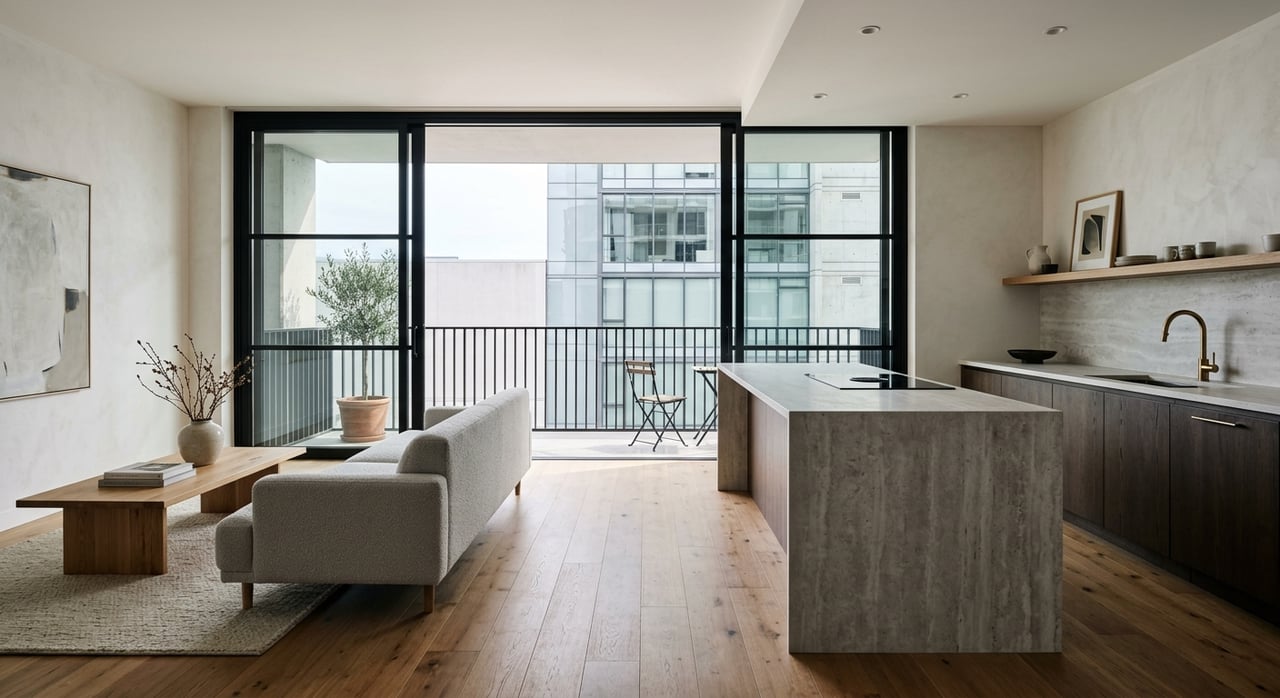
A Downtown penthouse is often about convenience, access, and activity density. The Downtown San Diego Partnership highlights walkability, waterfront proximity, dining, arts, and entertainment as defining features of the area. If you want a home base that puts restaurants, cultural venues, and neighborhood services close at hand, Downtown offers a strong case.
This lifestyle is less about private outdoor space and more about connection to the city around you. The Downtown Property and Business Improvement District supports the area with services tied to maintenance, beautification, safety, and hospitality. The Downtown Community Parking District also works on parking management, traffic calming, wayfinding, and support for walking and biking, which reinforces the urban appeal.
If you enjoy stepping outside and having more of your routine within reach, penthouse living can feel efficient and energized. You may value being close to the waterfront, nearby dining, and the ability to move through the day without relying as much on a car. For many buyers, that ease is the main luxury.
Downtown also includes different character pockets. Marina is known for luxurious condos, waterfront parks, and high-end shopping and dining, while Cortez Hill blends older homes with newer condo towers. That variety can be helpful if you want an urban setting but still care about the feel of the immediate district.
A coastal home offers a different rhythm. Mission Beach is known for Belmont Park and busy summer activity, Pacific Beach has a shoreline stretching more than two miles with restaurants, shops, and beach access, Ocean Beach is described by the City as a small and creative traditional Southern California beach town, and La Jolla combines beaches, rugged bluffs, village districts, and cultural institutions.
That means coastal living is not one-size-fits-all. One buyer may be drawn to a lively beach setting near restaurants and surf activity, while another may prefer a more established coastal community with a village feel. The real question is not whether the ocean sounds appealing. It is which version of coastal life you want to wake up to every day.
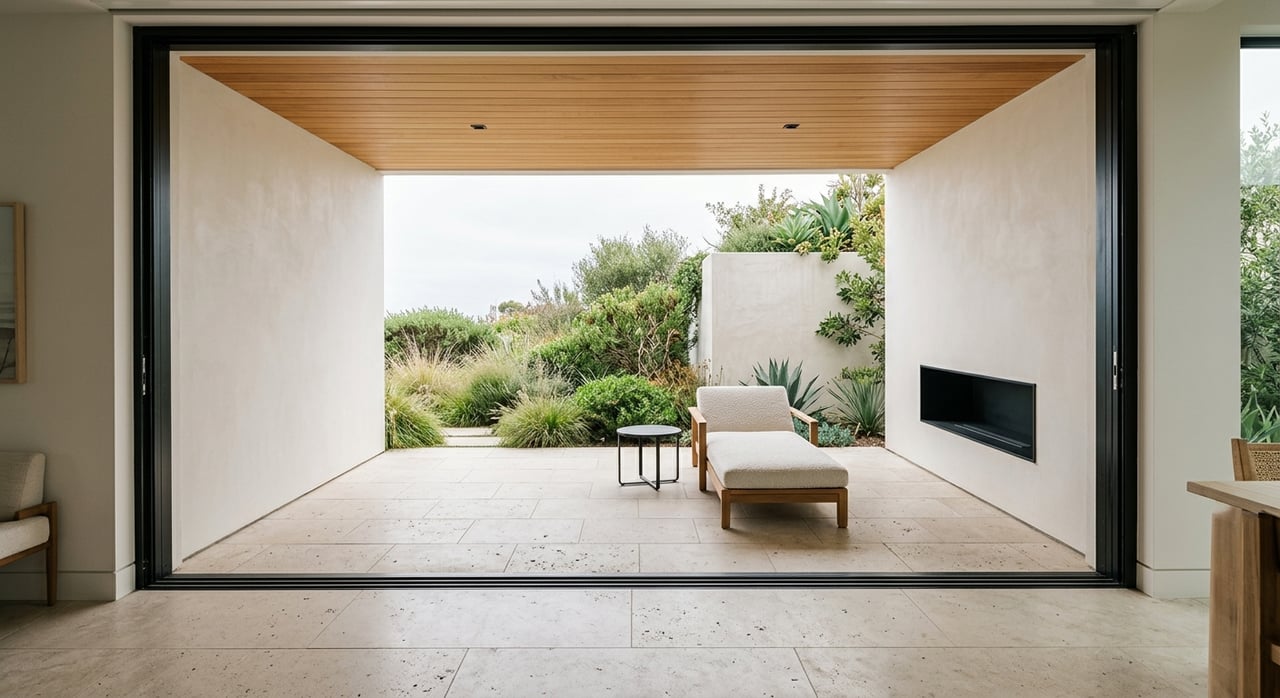
A coastal home often brings more separation from the pace of the urban core. You may prioritize privacy, outdoor space, or a stronger connection to the shoreline itself. In exchange, your routine may feel a bit less centralized than Downtown living, depending on the exact neighborhood and property type.
For some buyers, that trade is easy. If the goal is to come home to ocean air, quieter residential streets, or a stronger sense of place tied to the coast, a nearby coastal home may feel like the more natural fit.
One of the biggest differences is vertical living versus more traditional land-based ownership. Downtown includes a condo-heavy environment where shared systems, elevators, and amenity packages are often part of the purchase. If you are considering a penthouse, the building itself matters almost as much as the unit.
In nearby coastal communities, the ownership picture can be broader. La Jolla is 58% residential and 99 percent built out, and Pacific Beach is also described as primarily residential. These facts do not mean every coastal option is a detached home, but they do support a common buyer decision point: shared ownership in a building versus ownership that may include more direct control over land and exterior space.
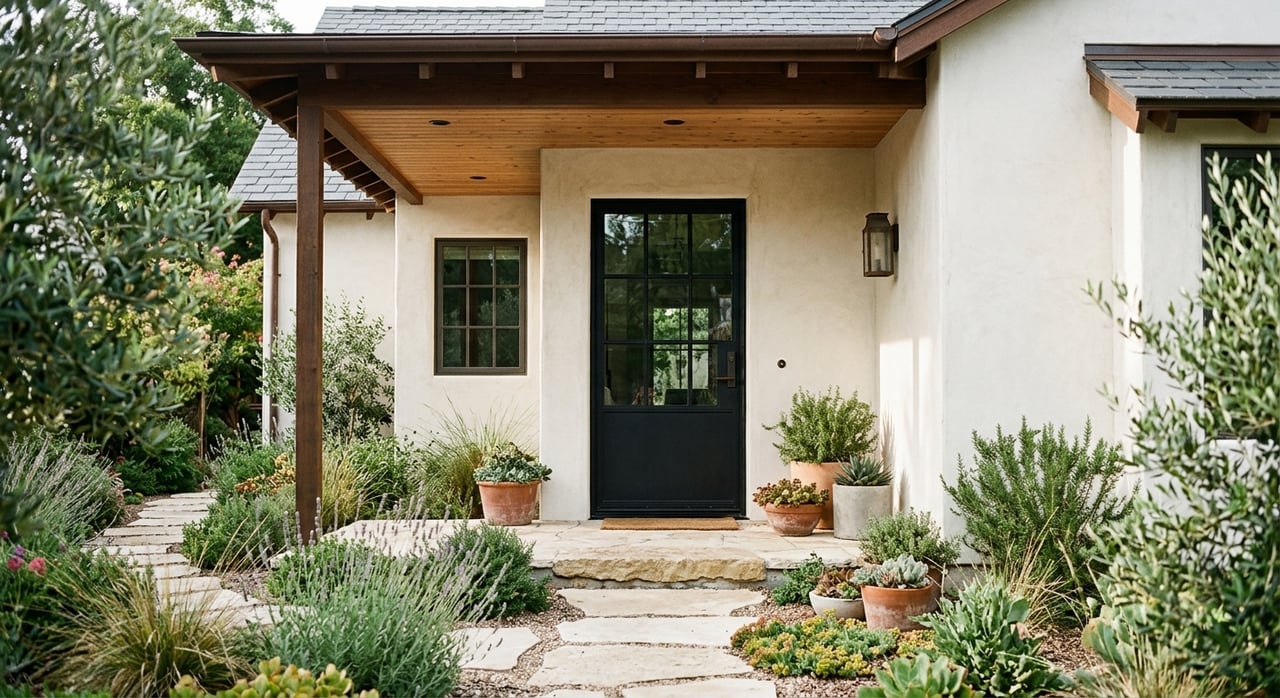
A penthouse can offer simplicity in some areas because building management handles many shared elements. A coastal home can offer more privacy and autonomy, but it may also place more responsibility on you when it comes to upkeep, exterior changes, and long-term planning. Neither is automatically better. The right answer depends on how hands-on you want ownership to be.
If you are comparing these options at the luxury level, your monthly cost analysis should go deeper than the purchase price. For penthouses and coastal condos, HOA dues are usually paid separately from the mortgage. In multi-unit buildings, there is also often master insurance for common areas, while you still need insurance for your own unit.
That makes it important to review more than the headline dues. HOA budget strength, reserve health, and the possibility of special assessments can all affect your true monthly ownership cost. In a tower, the building’s financial health is part of the investment story.
A detached coastal home may not have the same condo-style HOA structure, but that does not automatically make it simpler. Insurance needs, maintenance, and location-specific exposure can all shape the budget. If you are looking near the shoreline, you should weigh both short-term monthly costs and longer-term ownership considerations.
If you expect to remodel, expand, or make exterior changes, the ownership experience may look very different between these two choices. In the coastal zone, development generally may not begin until a coastal development permit is issued, and the California Coastal Commission defines development broadly. That can include construction, demolition, grading, vegetation removal, and barriers that affect coastal access.
The City of San Diego also coordinates plans, regulations, and development projects in coastal areas through its Local Coastal Program. For you, that means exterior changes on a coastal property can involve a more layered review process. This does not make coastal ownership a negative, but it does mean that future plans should be evaluated early.
Downtown has its own rules and processes, but the City describes a streamlined review approach for Downtown projects through its Urban Innovation Division. The practical takeaway is that the friction points are different. In a Downtown tower, you may spend more time evaluating HOA rules, building governance, and approval procedures, while on a coastal property, land use and permit review may play a larger role.
Insurance deserves close attention in either setting. Standard homeowners insurance typically does not cover flood damage, and the City notes that any property can be affected by flooding, with development in Special Flood Hazard Areas held to a higher standard. That means flood exposure should be part of your due diligence, not an afterthought.
This is especially relevant along the coast. San Diego’s Coastal Resilience Master Plan, adopted in 2025, is actively planning shoreline solutions for areas including Mission Beach, Ocean Beach, Tourmaline, Sunset Cliffs, and La Jolla Shores to improve resilience to sea level rise while supporting access and recreation. If you are buying near the shoreline, resilience planning is part of the larger ownership picture.
You should look closely at the property’s insurance profile, any flood-related considerations, and how the location may affect long-term planning. In a condo, ask how building-level coverage works. In a coastal home, ask how site exposure and location factors may influence your decisions over time.
Luxury buyers sometimes focus first on views and finishes, but parking can shape everyday ease in a major way. In Downtown, parking is part of a larger city management strategy that includes public parking assets, congestion reduction, and support for walking and biking. Depending on the building, your experience may depend on deeded spaces, valet arrangements, guest access, or building rules.
In coastal beach areas, parking can be shaped by overlay regulations and area-specific standards. The City identifies supplemental parking regulations for certain coastal beach areas, and some parking rules also change within the Coastal Overlay Zone and Beach Impact Areas. In practical terms, both penthouses and coastal homes can come with parking questions that deserve more scrutiny than listing photos usually show.
If you are deciding between a Downtown San Diego penthouse and a nearby coastal home, the strongest comparison is not prestige versus prestige. It is convenience and amenity density versus beach access, privacy, and a more layered ownership profile. The better fit depends on which routines, costs, and responsibilities you are most comfortable living with.
A penthouse may suit you if you want walkability, building services, and a polished lock-and-leave lifestyle in the urban core. A coastal home may suit you if you want more direct connection to the shoreline, a residential setting, and ownership that can offer more privacy but also more complexity. The right choice becomes clearer when you look past the view and focus on how you want to live.
If you want a tailored, data-informed comparison between Downtown luxury condos and nearby coastal properties, Adriana Prieto can help you evaluate the lifestyle, ownership, and market factors that matter most to your goals.
Stay up to date on the latest real estate trends.
Adriana combines global perspective with local market expertise to deliver exceptional results. Contact her today to discuss your goals and start your real estate journey with confidence.